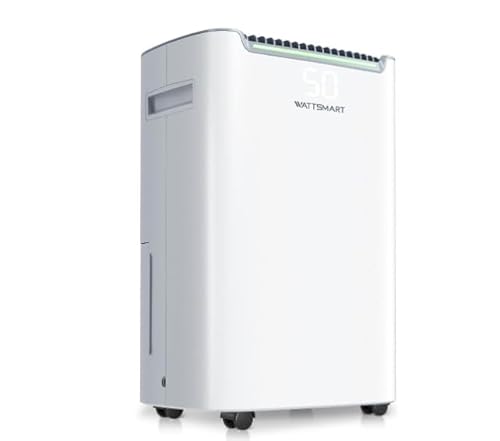
Dehumidifier and sump pump lifespan varies by component and usage, worth understanding to avoid an unexpected failure.
- Dehumidifiers last around 8 years on average, sooner if they run constantly.
- Sump pumps last around 7 years on average, varying with how often they activate.
- Declining performance despite proper maintenance signals it’s time to consider replacement.
- Proactive replacement before failure, particularly for sump pumps, avoids risking a flooding event.
Dehumidifier Lifespan
The InterNACHI life expectancy chart for home components puts a dehumidifier at about 8 years[1], and that figure assumes regular use and proper filter maintenance. A unit that runs most of the day in a wet basement can fall well short of it, and compressor efficiency typically declines noticeably toward the end of its life.
Sump Pump Lifespan
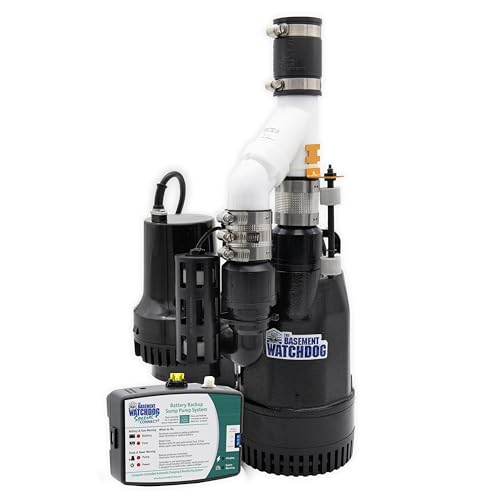
The same chart puts a sump pump at about 7 years[1], and presents both figures as guidelines rather than guarantees. Actual life varies with how frequently the pump activates (higher water table areas see more frequent cycling and correspondingly shorter lifespan).
Signs Your Equipment Needs Replacement
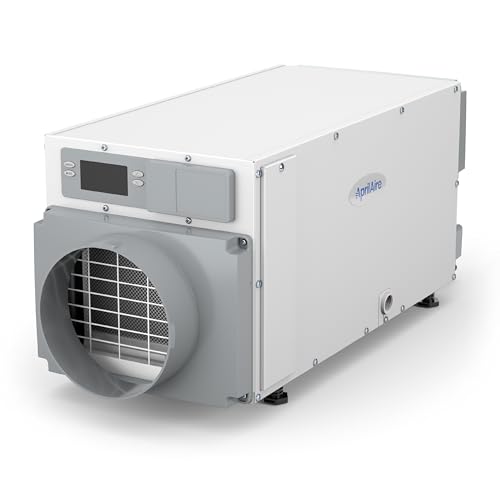
Declining dehumidifier performance despite proper maintenance, or a sump pump that runs unusually long or struggles to keep up, signal it’s time to consider replacement.
What Actually Shortens Equipment Life
Run time matters more than age for both machines. A dehumidifier working continuously in a genuinely wet basement is doing far more cycles than the same unit ticking over in a mildly humid one, and it will reach the end of its life sooner as a result. That is one of the quieter arguments for fixing the water source rather than out running it with equipment, since the equipment is being consumed by the problem.
Conditions matter alongside run time. Dust and airborne debris clog coils and filters, which makes a unit work harder for the same result. A sump pump handling silty water is wearing its impeller in a way one handling clean groundwater is not, and a pit without a lid collects debris that shortens the pump’s life for no benefit.
Testing Is What Turns Lifespan Into a Plan
Lifespan figures describe a population, not your unit, and the only way to know where yours sits is to test it. A sump pump can be checked by pouring water into the pit until the float lifts and confirming the pump starts, moves water and shuts off cleanly. Doing that before each wet season converts a statistical expectation into an actual observation.
Keep a note of what you find. Recording the install date and the outcome of each test builds a short history, and a pump that has started to run rough or cycle oddly usually shows that pattern across successive tests before it fails outright. That history is what lets you replace on your own schedule rather than during the storm.
FAQ
Should I replace my sump pump proactively before it fails?
Given a sump pump’s critical role, many choose proactive replacement around the 7 year mark rather than waiting for failure during a high-water event.
How do I test a sump pump without waiting for rain?
Pour water into the pit until the float rises. Confirm the pump starts promptly, moves water out through the discharge line, and shuts off cleanly once the level drops. Also check that the discharge is actually reaching somewhere well away from the foundation rather than draining back toward it.
Does running a dehumidifier constantly shorten its life?
Continuous operation puts more hours on the machine than intermittent use, so a unit fighting a genuinely wet basement will generally reach the end of its life sooner. That is one reason to treat persistent high run time as a signal to look for a water source rather than as normal operation.
Consider proactive sump pump replacement given its critical failure-prevention role, rather than waiting for an actual failure during a high-water event.
References
- Standard Estimated Life Expectancy Chart for Homes. International Association of Certified Home Inspectors (InterNACHI)
These statements have not been evaluated by the Food and Drug Administration. This information is not intended to diagnose, treat, cure, or prevent any disease. Content is for informational purposes only and is not medical advice; consult a qualified healthcare provider before starting any supplement. As an Amazon Associate we earn from qualifying purchases.