Treating basement moisture prevention as a recurring home maintenance line item ensures it doesn’t get overlooked given its common occurrence.
- Budget roughly $90-$110 a year for dehumidifier electricity alone at ENERGY STAR label figures, and several times that if the unit runs most of the day.
- Plan for periodic larger costs (sump pump replacement, potential waterproofing) separately.
- This modest recurring budget is cost-effective relative to potential unaddressed damage costs.
- Treating this as a recurring line item helps ensure it doesn’t get overlooked given its common occurrence.
Annual Budget Line Items
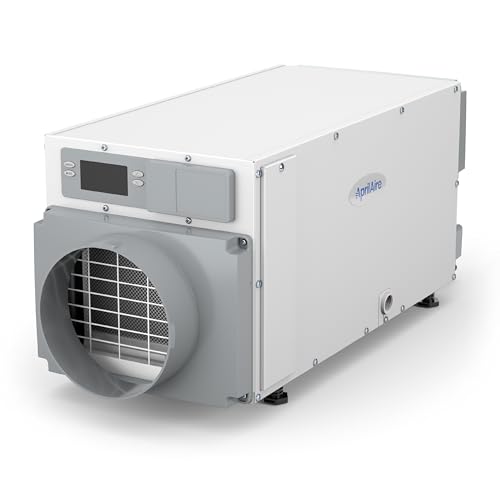
Budget for dehumidifier electricity as its own line, separate from gutter cleaning and grading. ENERGY STAR’s certified-product data puts a basement-size portable dehumidifier (40–50 pints a day) at roughly 520 kWh a year, and a whole-house unit at roughly 630 kWh[1]. At the 2025 US average residential electricity price of 17.3 cents per kilowatt-hour, that is about $90 to $110 a year for the dehumidifier alone[2].
Those are label figures, which assume the unit runs at full capacity only a few hours a day; a basement damp enough to keep it working most of the day costs several times that, which is the arithmetic on our DIY versus professional cost page. Gutter cleaning, grading touch-ups and filter replacement are separate line items on top of that figure, not included in it.
Periodic Larger Costs
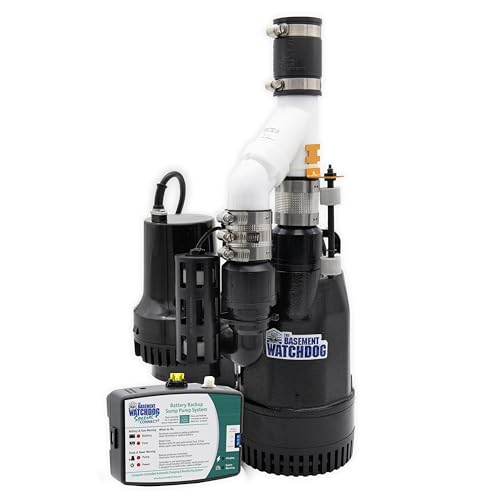
Plan for periodic larger costs (sump pump replacement, potential waterproofing if issues develop) as separate, less frequent budget items. The InterNACHI life expectancy chart for home components puts a sump pump at about 7 years and a dehumidifier at about 8, and presents both as guidelines rather than guarantees[3]. A pump that cycles constantly on a wet site can wear out sooner, so treat 7 years as a planning horizon, not a promise.
Why This Investment Matters
This recurring budget is modest relative to the potential cost of unaddressed water intrusion (structural damage, mold remediation), making it a cost-effective line item in overall home maintenance planning.
Build the Calendar, Not Just the Budget
A maintenance budget only works if the tasks it funds actually happen, and the tasks that prevent basement moisture are seasonal ones. Gutter clearing before and after leaf fall, a grading check once the ground has settled after winter, and a sump pump test ahead of the wet season are all cheap and all easy to postpone indefinitely. Putting them on a calendar is what converts a budget line into a dry basement.
Pairing each task with the moment that naturally prompts it helps more than setting arbitrary dates. Checking the sump when the clocks change, walking the grade after the first heavy rain of spring, and clearing gutters when the last leaves come down are all easier to remember because something else already reminds you.
Budget for Replacement, Not Only Maintenance
Equipment in a below grade space has a finite life, and a plan that funds only running costs will be caught out when a dehumidifier or a pump reaches the end of it. Treating replacement as a known future expense rather than an emergency changes both the timing and the cost, because a planned replacement can be bought when it suits you rather than during the flood that revealed the failure.
Knowing the purchase date of each piece of equipment is the small piece of record keeping that makes this possible. Noting it somewhere durable, along with the model and any warranty period, means the replacement conversation happens on your schedule and with the warranty status already known.
FAQ
Is basement moisture prevention one of the more cost-effective home maintenance investments?
Yes, relative to the potential cost of unaddressed water intrusion (structural damage, mold remediation) — the recurring prevention cost is modest by comparison.
What should I actually put on a seasonal maintenance calendar?
Gutter clearing around leaf fall, a grading check after the ground settles following winter, a sump pump test ahead of the wet season, and a periodic look at the wall and floor joint for new staining. Tying each to an event you already notice makes them far more likely to happen.
How do I budget for equipment replacement rather than just running costs?
Record the purchase date, model and warranty period for the dehumidifier and any pump, then treat replacement as a scheduled future expense once each approaches the end of its expected life. A planned replacement is bought on your terms, whereas an unplanned one is bought during the failure that revealed it.
Don’t let a tight home maintenance budget cause you to skip this item, given basement moisture’s potential for compounding, costlier damage if left unaddressed.
References
- ENERGY STAR Certified Dehumidifiers — estimated annual energy consumption by model. ENERGY STAR, U.S. Environmental Protection Agency
- Average Price of Electricity to Ultimate Customers by End-Use Sector (Table 5.3). U.S. Energy Information Administration, Electric Power Monthly
- Standard Estimated Life Expectancy Chart for Homes. International Association of Certified Home Inspectors (InterNACHI)
These statements have not been evaluated by the Food and Drug Administration. This information is not intended to diagnose, treat, cure, or prevent any disease. Content is for informational purposes only and is not medical advice; consult a qualified healthcare provider before starting any supplement. As an Amazon Associate we earn from qualifying purchases.
