Comparing prevention costs against remediation and mold-related costs illustrates why proactive basement moisture management is the clearly better investment.
- Ongoing prevention runs roughly $100-$300 annually — a modest, predictable cost.
- Remediation after significant damage runs several thousand to tens of thousands of dollars.
- Delayed action allows damage to spread, meaning remediation cost tends to grow over time.
- Prevention is clearly the better investment given both immediate cost and the compounding cost of delay.
Prevention Costs
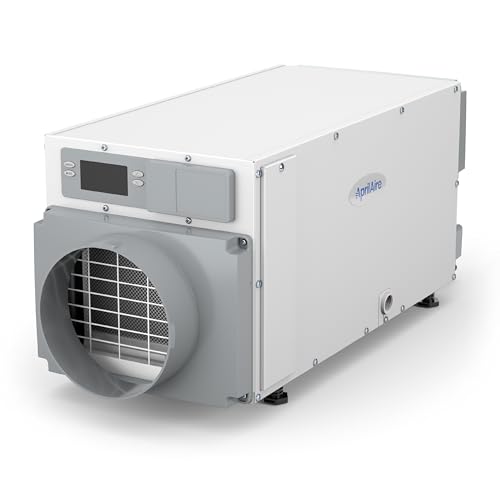
Ongoing basement moisture prevention (dehumidifier operation, gutter maintenance, periodic grading checks) runs roughly $100-$300 annually for a typical home — a modest, predictable recurring cost.
Remediation Costs
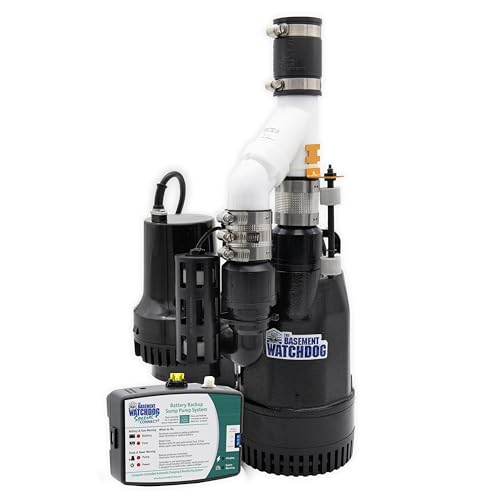
Addressing significant water intrusion after the fact (waterproofing, structural repair, mold remediation) runs several thousand to tens of thousands of dollars depending on severity — notably higher than ongoing prevention costs.
The Compounding Cost of Delay
Delayed action allows water intrusion and any resulting mold to spread and cause additional structural damage, meaning the cost of addressing an issue tends to grow the longer it’s left unaddressed.
The Costs That Do Not Appear on Either Quote
Comparing prevention against remediation on the invoices alone understates the gap, because remediation carries costs that never reach a contractor’s paperwork. Replacing damaged belongings, time taken off work to be present for the job, temporary loss of use of a room, and the disruption of having the house worked in are all real and all absent from the estimate. Prevention work has almost none of these attached to it.
There is also a disclosure dimension for anyone who may sell the property. A history of water damage is generally something a buyer will ask about, and it is a much easier conversation when the answer is a documented prevention programme rather than a documented flood. That difference is not something either quote will price for you.
Prevention Is Also Cheaper Because It Is Schedulable
Preventive work happens on a calendar; remediation happens on a deadline. That difference alone changes the price, because a job booked in a quiet part of the season with time to compare quotes is not the same purchase as a job booked the morning after a basement floods. Urgency removes exactly the bargaining position that produces a fair price.
Scheduling also lets the work be staged. A homeowner with time can address drainage this year and finishing next year, spreading the cost across budgets. A homeowner with standing water is buying the whole scope at once, whether or not that was the plan, because the parts of it cannot sensibly be separated once damage is underway.
FAQ
Is it really cheaper to prevent than to fix basement moisture after the fact?
Yes, significantly — remediation after significant water intrusion or mold growth runs far more than ongoing prevention, and delay allows the problem (and its cost) to compound further.
Is prevention still worth it if my basement has never had water?
Generally yes, because the cheapest preventive measures are maintenance rather than construction. Clearing gutters, keeping downspout discharge well away from the wall and checking the grade cost very little and address the most common causes. A basement that has not flooded may simply not have met the conditions yet.
Why does emergency remediation cost more than the same work done in advance?
Partly because urgent scheduling carries a premium, and partly because you lose the ability to compare quotes, stage the work or wait for a quieter season. There are also costs that never appear on the invoice at all, such as damaged belongings and time taken off to be present for the work.
Never delay addressing a known moisture issue given how quickly and significantly remediation costs can grow the longer a problem persists.
These statements have not been evaluated by the Food and Drug Administration. This information is not intended to diagnose, treat, cure, or prevent any disease. Content is for informational purposes only and is not medical advice; consult a qualified healthcare provider before starting any supplement. As an Amazon Associate we earn from qualifying purchases.
