Basement moisture prevention technology has evolved meaningfully, offering more convenient and reliable options than in the past.
- Smart sensors provide remote alerts for humidity and water detection, useful for prompt issue catching.
- Battery-backup sump pump systems address the specific failure scenario of power loss during storms.
- Modern waterproofing membranes offer improved durability compared to older coating technology.
- These advances offer more convenient, reliable prevention options than in the past.
Smart Humidity and Leak Sensors
Smart sensors provide remote alerts to your phone for both elevated humidity and actual water detection, useful for catching issues promptly even when you’re not physically present.
Battery-Backup Sump Pump Systems
Battery-backup systems ensure sump pump function continues during a power outage, addressing a specific, documented failure scenario (power loss during heavy storms) that has caused significant basement flooding historically.

Modern Waterproofing Membrane Technology
Modern exterior waterproofing membranes offer improved durability and effectiveness compared to older asphalt-based coatings, providing better long-term protection for new installations.
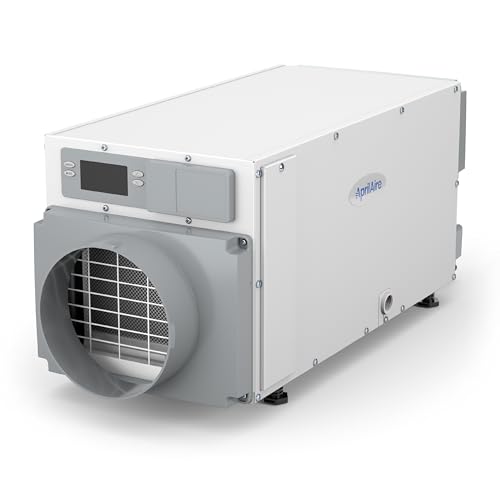
What Smart Monitoring Actually Buys You
The value of a connected sensor is not the sensor, it is the alert. A hygrometer on a shelf tells you the humidity when you happen to be standing in front of it, which in a basement is rarely and usually during the day. A sensor that notifies a phone tells you at the moment the reading crosses a threshold, including overnight and while the house is empty, which is when most of the damage that matters actually begins.
That changes what counts as a small leak. A supply line weeping behind a washing machine is a nuisance if it is found the same evening and a floor replacement if it is found the following weekend. The alerting is doing the work here, so it is worth confirming a device can actually reach you rather than only logging a history you review later.
Where the Technology Still Depends on Basics
Connected devices inherit the failure modes of the network they sit on. A sensor that reports through home internet is silent during the power cut that accompanies the storm, and one on a weak signal at the far corner of a basement may drop out without announcing it. Checking that a device reports a missed check in, rather than simply going quiet, is the difference between monitoring and the appearance of monitoring.
None of this substitutes for the unglamorous work. Sensors and modern membranes both assume water is being kept away from the foundation in the first place, and neither compensates for a downspout discharging beside the wall. Technology is best understood as shortening the time between a problem starting and someone knowing about it, which is valuable precisely because the underlying corrections are already in place.
FAQ
Is a battery backup for my sump pump really necessary?
Given that power outages often occur during the same storms that create the highest flood risk, a battery backup addresses a specific, documented failure scenario worth taking seriously.
Do smart leak sensors keep working during a power cut?
That depends on the device and the network. Battery powered sensors usually keep sensing, but if they report through home internet the alert cannot leave the house while the router is down. Since storms often bring both water and power loss together, it is worth checking how a given system behaves in that combination before relying on it.
Where should leak sensors be placed in a basement?
At the places water appears first rather than where it eventually collects. That generally means beside the sump pit, at the water heater, behind or beneath the washing machine, and at the lowest point of the floor. A sensor placed where water arrives last gives you the least useful warning.
A battery backup addresses a real, documented failure scenario — don’t consider this an unnecessary upgrade.
These statements have not been evaluated by the Food and Drug Administration. This information is not intended to diagnose, treat, cure, or prevent any disease. Content is for informational purposes only and is not medical advice; consult a qualified healthcare provider before starting any supplement. As an Amazon Associate we earn from qualifying purchases.
