Confirming remediation success requires observation across realistic conditions, not just an immediate post-repair check.
- Inspect immediately after completion to confirm proper execution matching agreed scope.
- Monitor through the next significant rainfall or snowmelt event as the real test of success.
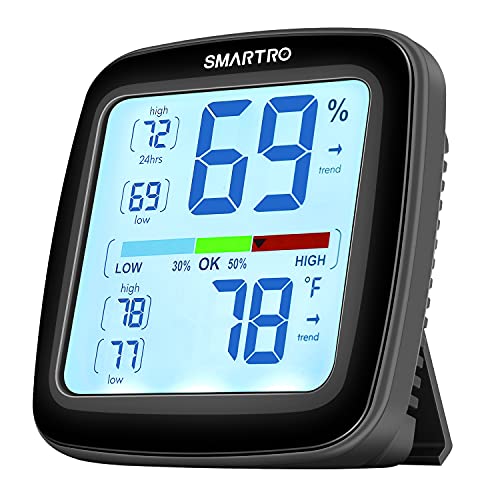
- Continue humidity monitoring after remediation to confirm overall improvement.
- This combines immediate inspection with realistic-condition verification over time.
Immediate Post-Repair Inspection
Inspect the work immediately after completion to confirm it matches the agreed scope and appears properly executed.
Monitoring Through a Significant Rainfall Event
The real test of waterproofing success comes during the next significant rainfall or snowmelt event — monitor for any water intrusion during and after this weather.

Ongoing Humidity Monitoring
Continue humidity monitoring (via hygrometer) after remediation to confirm both the intrusion source and general moisture levels have improved as expected.
Record the Baseline Before the Work Starts
Verification is much easier when there is something to verify against. Photographs of the affected walls and floor, notes on where water appeared and under what weather, and a period of humidity readings taken before the work begins turn a vague impression into a comparison. Without that baseline, judging improvement afterwards depends on memory, which tends to be generous about work that has just been paid for.
Moisture meter readings taken at the same marked spots before and after are the most direct version of this. Because the readings are location specific, taking them at identified points rather than wherever seems convenient is what makes the later comparison meaningful.
Verify the Paperwork as Well as the Basement
Completion is also a documentation moment. Confirm that what was installed matches what was quoted, that any warranty has actually been issued in your name, and that you understand what it covers and what would void it. Warranties on this kind of work often carry maintenance conditions, and finding out about them at claim time is considerably worse than finding out at handover.
Where a sump pump or drainage system was installed, ask to be shown how to test it and how often. A system nobody knows how to check is a system that gets discovered to be broken during the storm it was installed for, which is the one scenario the whole project existed to prevent.
Keep the paperwork somewhere you will find it again rather than somewhere it was convenient to put down. Quotes, the final invoice, the warranty document, photographs taken during the work and any before and after readings all belong together. If the property is sold later, that same file is what demonstrates to a buyer that a known problem was properly addressed rather than covered over, which is a materially different conversation to have during a sale.
FAQ
How do I know my basement waterproofing actually worked?
The real test comes during the next significant rainfall or snowmelt event — monitor for any water intrusion during and after this weather, combined with ongoing humidity tracking.
How long should I wait before deciding waterproofing worked?
Long enough for the basement to be tested by the conditions that caused the original problem. Where the trigger was heavy rain or snowmelt, that means waiting for a comparable weather event rather than counting days. Ongoing humidity monitoring in the meantime tells you whether the general moisture level is trending the way it should.
What should I ask for at handover?
Ask for confirmation that the installed work matches the quoted scope, a warranty issued in your name with its conditions explained, and a demonstration of how to test any pump or drainage system that was installed. Knowing what would void the warranty is as useful as knowing what it covers.
Don’t consider waterproofing verified successful until it’s been tested by an actual significant rainfall or snowmelt event.
These statements have not been evaluated by the Food and Drug Administration. This information is not intended to diagnose, treat, cure, or prevent any disease. Content is for informational purposes only and is not medical advice; consult a qualified healthcare provider before starting any supplement. As an Amazon Associate we earn from qualifying purchases.