Pets spending time in damp, mold-prone basement areas can experience similar environmental exposure concerns as humans.
- Pets spending time in damp basement areas share the same environmental exposure as humans.
- Unusual respiratory or skin symptoms in a pet using the basement may warrant veterinary attention.
- Limiting pet access to affected areas until remediated protects pets similarly to humans.
- This reflects the same general moisture/mold health connection relevant to human household members.
Shared Environmental Exposure
Pets spending significant time in a damp or mold-affected basement are exposed to the same environmental conditions as human household members using that space.
Symptoms to Watch For in Pets
Unusual respiratory symptoms (coughing, sneezing) or skin irritation in a pet that spends time in the basement may warrant veterinary attention alongside addressing the underlying moisture issue.

What Pet Owners Can Do
Limiting pet access to a damp or mold-affected basement until remediated, alongside addressing the underlying moisture issue, protects pets similarly to how it protects human household members.
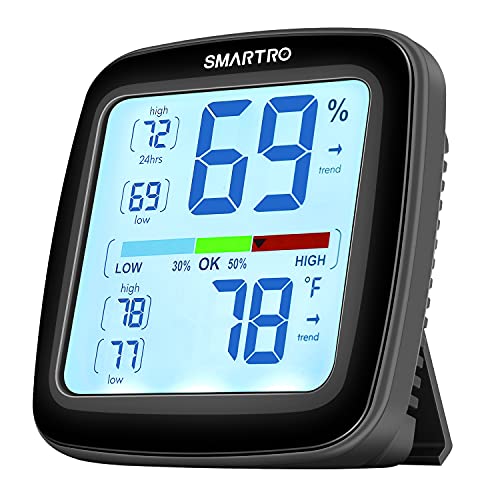
Why Pets Can Be Exposed More Than People
Pets often spend far longer in a basement than anyone else in the household, particularly where litter trays, bedding, crates or feeding stations have been put down there precisely because it is out of the way. A space the family passes through briefly can be where an animal sleeps for most of the day, which changes the exposure picture considerably even though the conditions are identical.
Height matters as well. Animals live close to the floor, which in a damp basement is generally the coolest surface and the one where settled particulate and standing moisture end up. Small animals in cages or tanks placed at floor level are in the same position, and unlike a dog or cat they cannot leave the room when conditions become unpleasant.
Moving Pet Areas Out of a Damp Basement
Where a basement is known to be damp, relocating bedding, feeding areas and litter trays upstairs is usually the fastest way to reduce an animal’s exposure while the underlying moisture problem is being addressed. It is also the change that is easiest to reverse once conditions improve, which makes it a low cost first step rather than a permanent rearrangement.
Stored pet supplies deserve the same attention. Dry food, bedding material and soft toys kept in a humid basement can develop mould of their own, and they are consumed or slept on directly. Moving them to a dry storage area removes an exposure route that is easy to overlook because it is not about the air in the room at all.
FAQ
Should I keep my pet out of a damp basement?
If there’s visible mold or persistent dampness, limiting pet access until remediated is a reasonable precaution, similar to limiting human exposure to the same conditions.
My cat’s litter tray is in the basement. Should I move it?
If the basement is visibly damp or has a persistent musty smell, moving it is a sensible interim step. It relocates the place your cat spends unavoidable time each day out of the affected space, and it is easy to reverse once the moisture problem has been addressed.
Can pet food stored in a damp basement be affected?
It can. Dry food, bedding and soft toys stored in a humid space can develop mould independently of the air quality in the room, and these are eaten or slept on directly. Keeping pet supplies in a dry storage area removes that route entirely.
Consult your veterinarian if you notice symptoms in a pet that spends time in a damp or mold-affected basement area.
These statements have not been evaluated by the Food and Drug Administration. This information is not intended to diagnose, treat, cure, or prevent any disease. Content is for informational purposes only and is not medical advice; consult a qualified healthcare provider before starting any supplement. As an Amazon Associate we earn from qualifying purchases.
