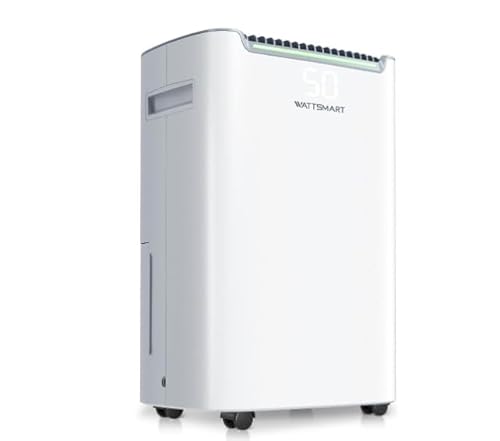
Basement moisture has generated a fair number of misconceptions, and separating myth from fact helps homeowners take the right action.
- Elevated humidity without visible water can still support mold growth — visual dryness alone isn’t sufficient assessment.
- A dehumidifier manages humidity but doesn’t fix an actual water intrusion source, which requires separate repair.
- Basement moisture can support mold, contribute to structural wood rot, and affect whole-home air quality.
- Understanding these distinctions helps homeowners take the right combination of actions rather than a partial fix.
Myth: A Dry-Looking Basement Has No Moisture Problem
Fact: elevated humidity without visible water intrusion can still support mold growth and musty odors — visual dryness alone doesn’t rule out a moisture problem, which is why humidity testing matters.
Myth: A Dehumidifier Alone Fixes a Water Intrusion Problem
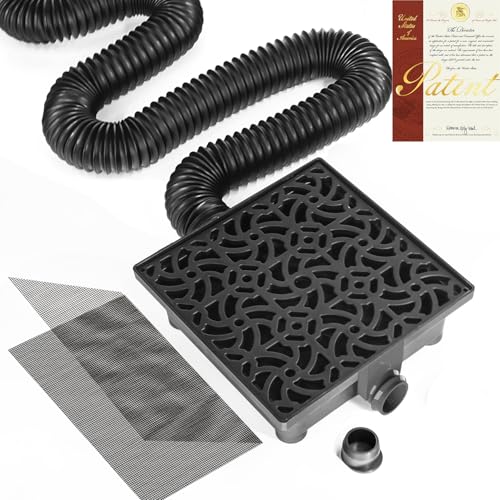
Fact: a dehumidifier manages ambient humidity but doesn’t address an actual water intrusion source (foundation cracks, poor grading) — these require separate identification and repair.
Myth: Basement Moisture Is Just a Cosmetic Issue
Fact: persistent basement moisture can support mold growth (a documented health concern), contribute to structural wood rot, and reduce indoor air quality throughout the home given basement air circulation into upper floors.

Myth: A Sealer or Waterproof Paint Fixes the Problem
Fact: interior sealers and waterproofing paints change what you see on the inside of the wall without changing what is happening on the outside of it. Where water is arriving under pressure from saturated soil, a coating applied to the interior face is being asked to hold that pressure back from the wrong side, which is not what these products are designed to do. Coatings can be a reasonable finishing step once drainage is corrected, but they are not the correction.
The practical risk is that a sealed wall looks fixed for a season or two while the underlying water continues to work on the foundation and on any framing in contact with it. Moisture that no longer shows as a visible stain has not gone anywhere; it has simply lost its most obvious symptom. That is why diagnosis should always work outward from where the water is entering rather than inward from where it appears.
Myth: Basement Moisture Is a Summer Problem Only
Fact: the mechanism changes with the season, but the problem does not take the winter off. Warm humid air condensing on cool foundation walls and cold water lines is very much a summer pattern, and it is the one most homeowners recognise. Spring snowmelt and heavy autumn rain drive a completely different mechanism, where saturated soil pushes liquid water toward the foundation regardless of what the indoor air is doing.
Treating it as seasonal leads to seasonal monitoring, and seasonal monitoring is how a slow winter leak goes unnoticed until it has done real damage. A hygrometer left in place year round costs nothing extra to run and tells you which mechanism you are actually dealing with, which in turn tells you whether dehumidification or drainage is the right place to spend money.
FAQ
If my basement doesn’t feel wet, do I still need to worry?
Yes — elevated humidity without an obvious wet feeling can still support mold growth over time. Humidity testing (not just visual/tactile inspection) is the more reliable assessment method.
If waterproof paint is not a fix, is it ever worth applying?
It can be worth applying after the water source has been addressed, as a finish that resists incidental dampness and makes the wall easier to keep clean. The mistake is using it as the primary intervention while soil water is still arriving at the foundation. Applied in that order it tends to hide the symptom you were relying on to tell you whether the real repair worked.
My basement only smells musty in summer. Does that mean it is only a summer problem?
Not necessarily. Musty odour tracks humidity and temperature, so it becomes noticeable when warm humid air meets cool surfaces. A winter leak driven by soil water can be quite active while producing little smell, because the air is colder and drier. Year round humidity monitoring is a more reliable signal than odour alone.
Address both humidity management (dehumidifier) and any actual water intrusion source (foundation/grading repair) for a complete solution.
These statements have not been evaluated by the Food and Drug Administration. This information is not intended to diagnose, treat, cure, or prevent any disease. Content is for informational purposes only and is not medical advice; consult a qualified healthcare provider before starting any supplement. As an Amazon Associate we earn from qualifying purchases.