A basement moisture control system needs ongoing maintenance to remain effective across its full useful life.
Every part of a basement moisture system fails silently. A dehumidifier with a clogged filter still hums, a sump pump that will not start looks identical to one that will, and grading settles a fraction of an inch a year. Nothing announces itself, and the moment you discover the failure is usually the moment you needed the system.
That is what makes maintenance here different from maintenance elsewhere: most of it is verification rather than servicing. The sections below cover the three components that need attention, what each actually requires, and how to test the one whose failure costs the most.
- Clean or replace dehumidifier filters and confirm proper drainage regularly.
- Test sump pump function periodically, particularly before high-risk seasons.
- Periodically check grading and gutters, which can degrade gradually over time.
- This ongoing maintenance keeps your full moisture control system effective across its useful life.
Dehumidifier Maintenance
Clean or replace dehumidifier filters per manufacturer guidance, and empty or confirm proper drainage of the collection reservoir regularly to maintain effective operation.
The filter is the item that degrades performance without any visible symptom. A restricted filter reduces airflow across the coil, which reduces moisture removal and makes the unit work harder for less result, and most manufacturers specify cleaning on a schedule measured in weeks during heavy use. The coils themselves collect dust over a season and benefit from gentle cleaning with the unit unplugged.
Drainage is where the practical failures happen. A unit relying on manual emptying will eventually be left full, at which point it shuts off and stops working entirely, so continuous drainage to a floor drain or through a condensate pump is worth arranging if the layout allows it. Check the hose for kinks and confirm it maintains fall along its whole run, since a sagging line holds water and can back up. In an unheated basement, also confirm the unit is rated for the temperatures it will see, because some designs ice up and lose capacity in cool conditions.
Sump Pump Testing
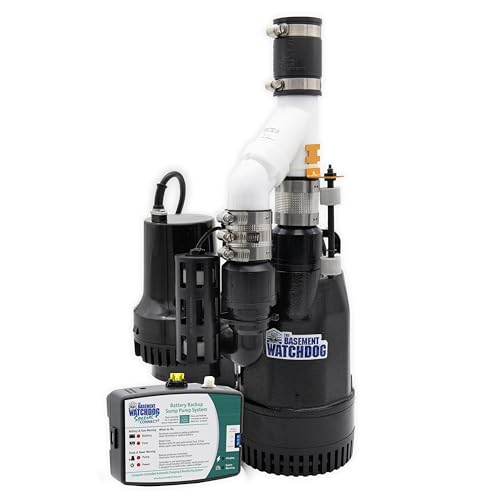
If you have a sump pump, test its function periodically (pouring water into the pit to trigger activation) to confirm it’s working, particularly before high-risk seasons.
Test by pouring water into the pit rather than by lifting the float, because the pour tests the whole chain: float activation, motor start, water actually leaving, and shutoff at the correct level. Watch it through a complete cycle, and confirm the water goes where it should outside. A pump that starts and empties but discharges next to the foundation is recirculating rather than solving.
Check the components while you are there. The check valve prevents discharged water from draining back into the pit, and a failed one causes short cycling that shortens the pump’s life. Clear debris from the pit, since sediment can obstruct the intake or foul the float.
If a battery backup is installed, test it separately by simulating a power loss, and note that backup batteries have a finite service life and need replacement on a schedule regardless of whether they have ever been called on. Twice a year is a reasonable rhythm, with the important test timed just before the wet season.

Ongoing Grading and Gutter Checks
Periodically check that exterior grading hasn’t shifted and gutters remain clear, since these can degrade gradually over time and compromise your prevention setup.
This is the maintenance with the best return, because it is the cheapest work protecting the most expensive systems. Gutters and downspouts need clearing at least seasonally[1] and more often under trees, and the check that matters most is where the water lands. Extensions should carry discharge well away from the foundation, and it is worth verifying they are still connected and still pointed correctly, since they get moved by mowing, by landscaping, and by weather.
Grade degrades gradually as backfill settles, which is why it needs looking at rather than assuming. The standard guidance is roughly six inches of fall over the first ten feet from the house, and the useful time to check is during rain, when you can see where water actually goes rather than infer it. Look also at the specific features that trap water against the wall: window wells that have filled with debris, settled patios and walkways sloping back toward the house, and beds that have been mulched up against the foundation year after year until the grade reversed.
A Maintenance Calendar and a Written Record
A workable schedule is monthly for the dehumidifier filter during the humid season, twice yearly for a full sump pump test with one of those timed to just before the wet season, seasonally for gutters and downspout extensions, and annually for a walk of the perimeter during rain plus a moisture meter sweep. Anchoring these to something you already do, such as changing furnace filters or the seasonal clock change, is what makes them actually happen.
Keep a written log, even a page taped inside the electrical panel door. Record test dates, the battery installation date, filter cleanings, and anything unusual, because this is the record that answers a question you cannot answer from memory later: whether the pump has started running more often than it used to. A change in run frequency with no change in weather is one of the earliest warnings that something outside has shifted.
The same log has a second use. Warranty claims frequently require evidence that specified maintenance was performed, and a dated record is the difference between a covered failure and a denied one. It is also a genuine asset at sale, since documented maintenance of a documented system is exactly what a buyer’s inspector and a disclosure form are both asking about.
FAQ
How do I know if my sump pump is actually working?
Test it periodically by pouring water into the pit to trigger activation, confirming it pumps out properly — do this particularly before high-risk seasons like spring.
How long does a sump pump last, and should I replace it before it fails?Service life varies widely with how hard the pump works, how much sediment it handles, and build quality, so a pump in a pit that cycles constantly wears out considerably faster than one that runs a few times a year.
Rather than replacing on a fixed schedule, watch for the warning signs: unusual noise, longer run times to clear the same amount of water, short cycling, visible rust, or intermittent starting. Because failures cluster during heavy storms, when replacement is hardest to arrange quickly, many homeowners in high-water-table areas keep a spare pump on a shelf. That is inexpensive insurance against the specific scenario where the pump fails at the worst possible moment.
Do I still need a dehumidifier after installing a drainage system?Often yes, because the two address different things. A drainage system manages liquid water reaching the basement. It does not control humidity from warm outdoor air condensing on cool surfaces in summer, from soil vapor moving through the slab, or from ordinary household sources.
Many basements need both, and the honest way to find out is to measure: log humidity through a full humid season after the drainage work and see where the readings sit. If the space now holds within the range that discourages mold growth without help, the dehumidifier is genuinely redundant. If it drifts above that range in summer, it is not.
Test your sump pump before high-risk seasons, since a failed pump during heavy rainfall can lead to significant water intrusion.
References
- A Brief Guide to Mold, Moisture and Your Home. U.S. Environmental Protection Agency
These statements have not been evaluated by the Food and Drug Administration. This information is not intended to diagnose, treat, cure, or prevent any disease. Content is for informational purposes only and is not medical advice; consult a qualified healthcare provider before starting any supplement. As an Amazon Associate we earn from qualifying purchases.
