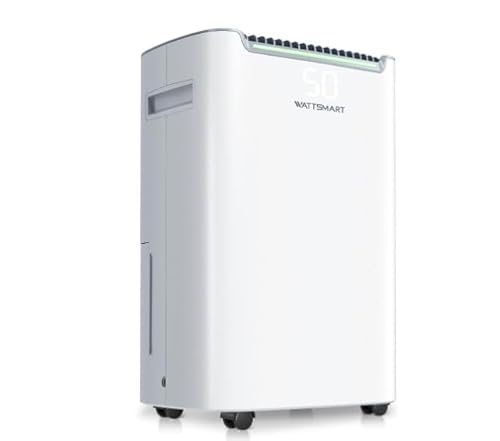
Basement moisture is a common problem that many homeowners try to manage on their own. Small leaks, high humidity, and occasional condensation can often be addressed with basic ventilation, dehumidifiers, and sealants.
However, there are situations where the scope of the problem, the risk to the structure, or the potential for mold growth exceed what a typical DIY approach can safely handle. Recognizing those moments helps you protect your home and avoid costly repairs later.
- Persistent dampness despite DIY efforts signals a deeper water source.
- Structural cracks, bowing walls, or misaligned doors require professional evaluation.
- Health symptoms linked to high humidity or visible mold over ten square feet merit certified remediation.
- Code‑driven projects such as finishing a basement or housing mechanical equipment need licensed contractors.
- Get multiple detailed bids and verify credentials before committing.
Signs That DIY Isn’t Enough
Persistent damp spots that reappear after you dry them, water stains that spread across walls or floors, and a musty odor that lingers despite ventilation are strong indicators that the moisture source is not being controlled. If you have sealed cracks, improved drainage, and run a dehumidifier continuously for several weeks without improvement, the problem likely involves hidden pathways such as foundation cracks, hydrostatic pressure, or a failing drainage system.
When moisture appears in multiple locations simultaneously — for example, on both the floor and the lower portion of walls — it suggests a systemic issue rather than an isolated leak. In these cases, a professional assessment can map the water entry points and recommend a comprehensive waterproofing plan.
Structural Concerns and Water Intrusion
Water that penetrates the foundation can weaken concrete, corrode reinforcing steel, and cause bowing or cracking of basement walls. If you notice horizontal cracks wider than a quarter inch, bulging walls, or doors and windows that no longer close properly, the structural integrity may be compromised. These signs warrant an evaluation by a structural engineer or a licensed waterproofing contractor who can determine whether reinforcement, underpinning, or exterior drainage correction is needed.
Exterior water management — grading, gutters, downspout extensions, and French drains — is often the first line of defense. When those systems are insufficient or improperly installed, water can build up against the foundation and force its way inside. A professional can perform a site‑specific drainage analysis and install or repair the necessary components to relieve hydrostatic pressure.
Health‑Related Indicators
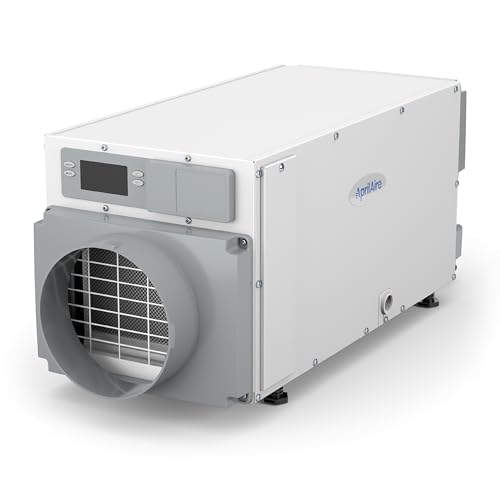
Elevated indoor humidity above 60 percent [1] for extended periods creates conditions that favor mold spores and dust mites. If household members experience persistent respiratory irritation, allergic reactions, or unexplained headaches that improve when they leave the basement, the environment may be contributing to health concerns. While not a medical diagnosis, these patterns suggest that moisture control should be escalated.
Visible mold growth covering more than ten square feet, mold behind finished walls, or mold in HVAC components are situations where professional remediation is recommended [1][2]. Certified mold remediation specialists follow containment, negative‑pressure, and HEPA‑filtration protocols to limit spore spread during removal.
Complex Systems and Code Requirements
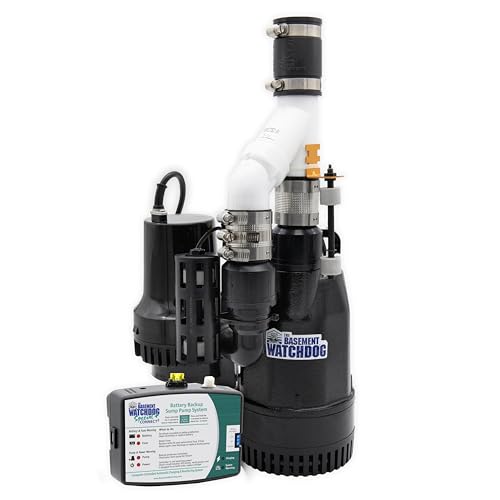
Basements that house mechanical equipment — furnaces, water heaters, sump pumps, or electrical panels — require moisture control that meets local building codes. Improper sealing around penetrations, inadequate vapor barriers, or non‑compliant drainage can void warranties and create liability issues. A licensed contractor familiar with the International Residential Code and local amendments can ensure that all work passes inspection.
If you plan to finish the basement as living space, the project typically triggers permit requirements for egress, fire‑rating, and moisture‑control assemblies. Professionals can coordinate the design, permitting, and installation of vapor‑retarder membranes, insulated wall systems, and conditioned‑air supply to meet code and maintain a dry environment.
Cost Considerations and Choosing a Contractor
Professional basement moisture remediation costs vary widely. Basic interior sealant and dehumidifier installation may start around $1,500 to $3,000, while exterior excavation, drainage membrane, and foundation repair can range from $10,000 to $30,000 or more depending on site conditions. Obtaining at least three detailed estimates that break out labor, materials, and any required permits helps you compare value rather than just price.
When selecting a contractor, verify licensing, insurance, and references specific to basement waterproofing [2]. Ask for a written scope of work that includes moisture‑source identification, proposed drainage or sealing methods, warranty terms, and a timeline. Membership in organizations such as the Basement Health Association or the National Association of Waterproofing and Structural Repair Contractors can indicate a commitment to industry standards.
FAQ
How do I know if my basement moisture problem is structural?
Look for horizontal cracks wider than a quarter inch, bulging walls, or doors and windows that stick. These signs suggest foundation movement and should be assessed by a structural engineer or licensed waterproofing contractor.
Can I handle mold cleanup myself if the area is small?
For mold patches under ten square feet on non‑porous surfaces, you can clean with detergent and water while wearing protective gear [2][3]. Larger areas, mold behind walls, or mold in HVAC systems should be handled by certified remediation professionals.
What should a professional moisture assessment include?
A thorough assessment identifies the water entry points, measures humidity levels, evaluates drainage and grading, checks for structural damage, and provides a written remediation plan with cost estimates and warranty information.
This article provides general guidance only; it does not replace a site‑specific inspection. If you observe structural damage, extensive mold, or health symptoms that persist, contact a licensed professional for testing and remediation.
References
- A Brief Guide to Mold, Moisture, and Your Home. US Environmental Protection Agency
- Mold Cleanup in Your Home. US Environmental Protection Agency
- Ten Things You Should Know About Mold. US Environmental Protection Agency
These statements have not been evaluated by the Food and Drug Administration. This information is not intended to diagnose, treat, cure, or prevent any disease. Content is for informational purposes only and is not medical advice; consult a qualified healthcare provider before starting any supplement. As an Amazon Associate we earn from qualifying purchases.