Basement moisture refers to any unwanted water or water vapor that accumulates below grade, whether from groundwater seepage, condensation on cool surfaces, plumbing leaks, or high indoor humidity. Because basements are surrounded by soil and often lack adequate ventilation, they are especially prone to persistent dampness that can degrade building materials and create conditions favorable for mold growth.
Research consistently links damp indoor environments to respiratory irritation, allergic sensitization, and asthma exacerbation, particularly in children [1][2][3]. A systematic overview of housing exposures also identifies moisture control as a core component of healthy‑city strategies [4]. While these associations are well documented, the magnitude of risk varies by climate, building type, and occupant susceptibility, so a measured response is appropriate.
- Basement moisture comes from groundwater, condensation, and plumbing leaks; identifying the source is the first step.
- Keeping relative humidity below 60 % is the most effective way to prevent mold‑precursor conditions.
- Epidemiologic studies link damp, moldy homes to higher rates of asthma and allergic disease, especially in children.
- Simple tools — hygrometers, moisture meters, and appropriately sized dehumidifiers — let most homeowners monitor and control moisture themselves.
- When water intrusion is structural, mold coverage exceeds 10 sq ft, or health symptoms persist, engage licensed professionals for assessment and remediation.
Common Sources of Basement Moisture
Groundwater intrusion is the most frequent source, especially where the water table rises above the foundation footing or where exterior drainage is inadequate. Cracks in poured concrete, block walls, or the slab allow water to migrate inward, and hydrostatic pressure can force moisture through even hairline fissures.
Condensation occurs when warm, humid air contacts cooler basement surfaces such as concrete walls, uninsulated pipes, or cold‑water supply lines. In climates with high summer humidity, this can add several pints of water per day to the indoor environment without any external leak.
Plumbing failures — leaking supply lines, drain backups, or malfunctioning sump pumps — contribute acute moisture events that, if not dried quickly, become chronic dampness. A review of post‑disaster health hazards notes that delayed drying after water damage markedly increases mold colonization risk [5].
How Humidity Drives Mold‑Precursor Conditions
Relative humidity (RH) above 60 % provides the moisture activity needed for most common indoor molds to germinate and grow. Basements often sit at 65‑80 % RH because they are cooler than the rest of the house, reducing the air’s capacity to hold water vapor.
A case‑study of residential buildings demonstrated that continuous RH monitoring combined with temperature logging can detect the early stages of mold growth before visible colonies appear [6]. This underscores the value of inexpensive hygrometers as a first line of defense.
Controlling humidity is therefore a precursor‑control strategy: dehumidification, improved ventilation, and insulation of cold surfaces lower the vapor pressure differential that drives condensation. The goal is to keep basement RH consistently below 60 % whenever possible.

Health‑Related Findings on Dampness and Mold
Longitudinal cohort data from northern Europe show that adults exposed to dampness or mold at home or at work have a higher incidence of new‑onset respiratory symptoms, asthma and rhinitis over a 20‑year follow‑up [1]. Similar associations appear in temperate inner‑city cohorts, where early‑life exposure to damp housing correlates with persistent wheeze and sensitization [3].
A pediatric allergy study in the tropics reported that the presence of mold spores in settled dust was independently associated with doctor‑diagnosed asthma and allergic symptoms among children under five [2]. These findings are consistent across diverse geographic settings, although effect sizes differ.
Evidence from a DNA‑sequence‑based classification of building mold status suggests that quantitative microbial metrics can refine exposure assessment beyond visual inspection alone [7]. However, the method remains primarily a research tool and is not yet standard for residential testing.
Practical Steps to Measure and Monitor Moisture
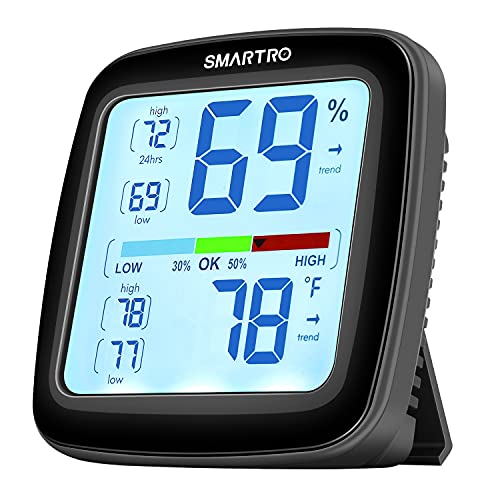
Start with a calibrated digital hygrometer placed at breathing height (about 4‑5 ft) in the center of the basement. Record RH and temperature at least twice daily for a week to capture diurnal swings; many inexpensive models log data automatically.
Use a moisture meter (pin‑type for wood, non‑invasive for concrete) to scan walls, floor, and rim joists. Readings above 15 % moisture content in wood or 4 % in concrete typically indicate a problem that warrants further investigation.
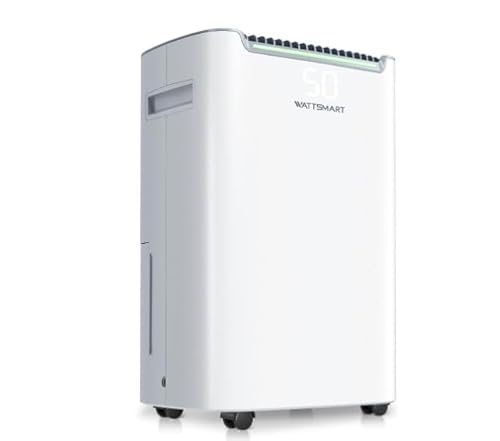
If RH regularly exceeds 60 % or moisture‑meter readings are elevated, deploy a portable dehumidifier sized for the basement’s cubic footage (generally 30‑50 pints per day for 1,500‑2,000 sq ft). Verify performance by re‑checking RH after 24‑48 hours of continuous operation.
When to Call a Professional
Persistent water entry through foundation cracks, active sump‑pump failure, or visible mold covering more than 10 sq ft are signals that DIY measures may be insufficient. The post‑disaster health‑hazard review emphasizes that professional remediation reduces airborne spore loads more reliably than untrained cleanup [5].
A licensed waterproofing contractor can perform exterior drainage improvements, interior drainage systems, or crack injection with warranted materials. An indoor‑air‑quality specialist can conduct spore‑trap sampling and interpret results using validated protocols.
Before hiring, request proof of licensing, insurance, and references. Obtain at least three written estimates that detail scope, materials, warranty, and expected timeline. Remember that no single product or service can guarantee complete elimination of mold risk; ongoing moisture management remains the homeowner’s responsibility.
FAQ
What is the ideal basement humidity level?
Aim to keep relative humidity at or below 60 % year‑round; levels above this consistently support mold germination [6].
Can a dehumidifier alone solve a wet basement?
A dehumidifier manages airborne moisture but does not stop water entry from cracks or poor drainage; source control (waterproofing, grading, sump‑pump maintenance) is also required.
How do I know if mold is a health concern in my basement?
Visible mold larger than 10 sq ft, persistent musty odors, or occupants experiencing unexplained respiratory symptoms warrant professional testing; research shows dampness‑related exposures are associated with asthma and allergy onset [1][2].
Is DIY mold testing reliable?
Consumer test kits can indicate the presence of spores but lack the quantitative accuracy of laboratory‑based spore‑trap or DNA‑sequencing methods used in research [7]; for health‑related decisions, professional assessment is recommended.
This article provides general guidance only and does not replace professional medical, structural, or environmental advice. If you suspect significant water damage, extensive mold growth, or experience persistent health symptoms, consult a licensed waterproofing contractor, indoor‑air‑quality professional, or healthcare provider promptly.
References
- Dampness and mould over 20 years and new onset of respiratory symptoms, asthma and rhinitis. Journal of hazardous materials, 2026
- Associations between home dampness and presence of molds with asthma and allergic symptoms among young children in the tropics. Pediatric allergy and immunology : official publication of the European Society of Pediatric Allergy and Immunology, 2007
- Home Environment in Early-Life and Lifestyle Factors Associated with Asthma and Allergic Diseases among Inner-City Children from the REPRO_PL Birth Cohort. International journal of environmental research and public health, 2022
- Assessing housing exposures and interventions that impact healthy cities: a systematic overview of reviews. Perspectives in public health, 2025
- Review of health hazards and prevention measures for response and recovery workers and volunteers after natural disasters, flooding, and water damage: mold and dampness. Environmental health and preventive medicine, 2014
- Indoor air quality and early detection of mould growth in residential buildings: a case study. UCL open. Environment, 2022
- DNA Sequence-Based Approach for Classifying the Mold Status of Buildings. Environmental science & technology, 2020
These statements have not been evaluated by the Food and Drug Administration. This information is not intended to diagnose, treat, cure, or prevent any disease. Content is for informational purposes only and is not medical advice; consult a qualified healthcare provider before starting any supplement. As an Amazon Associate we earn from qualifying purchases.