Basement moisture is a frequent concern for homeowners across many climate zones, yet the exact prevalence can vary widely depending on construction practices, site drainage, and seasonal humidity. Understanding how often damp conditions occur helps you prioritize inspections and preventive steps without unnecessary alarm.
Research on indoor dampness and mold indicates that a substantial portion of residential buildings show signs of moisture intrusion at some point, and that these conditions are linked to respiratory health outcomes in both children and adults [1]. This article summarizes what the evidence says about prevalence, highlights the most common risk factors, and offers practical guidance on when a homeowner can act alone and when a licensed professional should be consulted.
- Basement moisture is common across many housing types and climates, with research showing detectable dampness in a large share of homes.
- Primary risk factors include poor exterior drainage, foundation cracks, high water tables, and inadequate ventilation or dehumidification.
- Damp basements are linked to higher rates of asthma and respiratory symptoms in both children and adults, though individual risk varies.
- Homeowners can perform basic visual checks, humidity monitoring, and exterior drainage improvements on their own.
- Professional assessment and remediation are recommended when water intrusion is active, structural damage is present, or health symptoms suggest mold exposure.
What the Research Shows About Prevalence
Large‑scale investigations of housing stock have found that visible dampness, water stains, or musty odors are reported in a notable fraction of homes, especially those with below‑grade spaces [1]. The studies do not give a single national percentage because climate, building age, and maintenance practices differ, but they consistently identify basements as the most vulnerable part of a house.
Quantitative exposure assessments in birth‑cohort research have measured mold spore concentrations in infant bedrooms and found detectable levels in a majority of sampled homes, reinforcing the idea that moisture‑driven fungal growth is widespread [2]. These findings are based on environmental sampling rather than self‑report, adding weight to the conclusion that basement moisture is not a rare exception.
Key Risk Factors for Basement Moisture
Climate plays a primary role: regions with high seasonal rainfall, high water tables, or prolonged humid summers see more frequent basement dampness. Homes built on poorly draining soils or with inadequate exterior grading direct water toward foundation walls, increasing the likelihood of seepage.
Foundation type matters. Poured concrete walls with proper waterproofing membranes perform better than concrete block or stone foundations that rely solely on interior sealants. Cracks, honeycombing, or poorly sealed tie‑rod holes become pathways for water entry.
Ventilation and interior humidity control are secondary but critical factors. Basements that lack mechanical ventilation, dehumidification, or conditioned air often maintain relative humidity above 60 %, creating a mold‑precursor environment even without active leaks.

Health Implications Linked to Damp Basements
Epidemiologic studies have reported an association between indoor mold exposure and asthma development or exacerbation in children, with basement dampness identified as a significant contributor [3]. The relationship appears dose‑responsive: higher measured mold levels correlate with greater respiratory symptom frequency.
Adults living in homes with persistent dampness also show increased asthma‑related health care utilization and reduced lung function, according to recent urban cohort work [4]. These outcomes are linked to both viable spores and microbial volatile organic compounds that can irritate airways [5].
While the evidence supports a clear link between damp indoor environments and respiratory health, the magnitude of risk varies by individual susceptibility, exposure duration, and the presence of other indoor pollutants. The data do not imply that every damp basement will cause disease, but they do justify taking moisture control seriously.
Simple Checks Homeowners Can Do
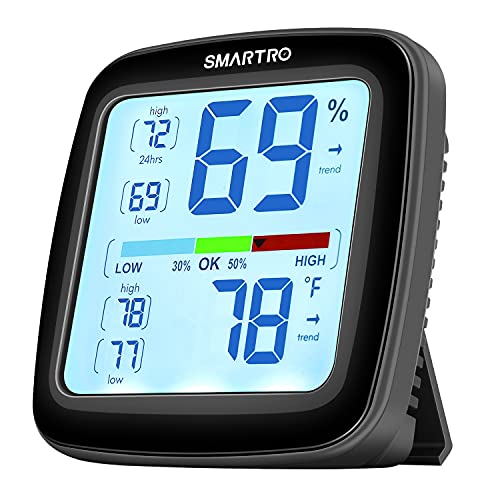
Start with a visual inspection after heavy rain: look for water stains, efflorescence, or standing water on the floor. Use a hygrometer to record relative humidity; sustained readings above 60 % suggest a need for dehumidification or improved ventilation.
Check exterior grading — soil should slope away from the foundation at least 5 % for the first 6 ft. Verify that downspouts extend at least 4 ft from the house and that gutters are clean. Inside, ensure that any interior drainage system (sump pump, French drain) operates correctly and that the pump discharge line is unobstructed.
If you detect a persistent musty odor, consider a low‑cost mold test kit that uses settled‑dust sampling. Remember that these kits provide only a snapshot and cannot replace a professional assessment when health symptoms are present.
When to Involve a Licensed Professional
Professional evaluation is warranted when you observe active water intrusion (e.g., pooling water, wet insulation), structural cracks wider than 1/4 in., or when household members experience unexplained respiratory symptoms that improve away from home [6]. A certified industrial hygienist or licensed mold remediation contractor can perform quantitative air and surface sampling, identify hidden moisture sources, and design a remediation plan that meets industry guidelines.
Large‑scale remediation — such as removing contaminated drywall, insulation, or HVAC components — should be handled by firms that follow recognized protocols (e.g., IICRC S520) and provide post‑remediation verification. DIY removal of extensive mold growth can disperse spores and worsen indoor air quality.
FAQ
How often should I check my basement for moisture?
A seasonal visual inspection — especially after heavy rain or snow melt — combined with a continuous hygrometer reading gives a reliable picture. If humidity stays above 60 % for several days, take corrective action.
Can a dehumidifier alone solve a wet basement?
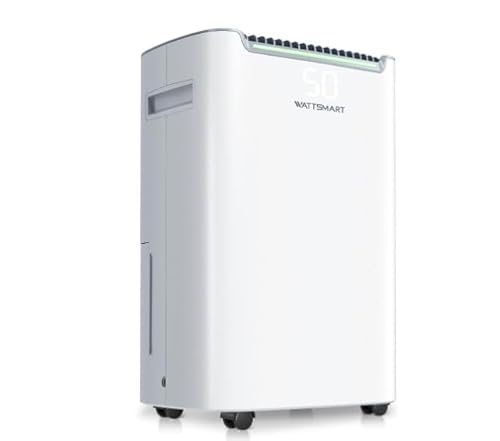
A dehumidifier controls airborne moisture but does not stop water from entering through cracks or poor drainage. It is a useful supplement, not a substitute for fixing the source of intrusion.
What health signs suggest I need a professional mold assessment?
Persistent cough, wheezing, or allergy‑like symptoms that improve when you leave the house may indicate mold‑related exposure. Clinical guidelines recommend a home assessment when such patterns exist [6].
Are DIY mold test kits reliable?
They can detect the presence of spores in settled dust but cannot quantify airborne concentrations or identify hidden growth behind walls. Use them as a screening tool, not a definitive diagnosis.
This article provides general information only and is not a substitute for professional medical or environmental advice. If you suspect significant mold growth or experience health symptoms, consult a licensed indoor‑air‑quality professional or healthcare provider for proper evaluation and remediation.
References
- Public health and economic impact of dampness and mold. Indoor air, 2007
- Quantitative and semiquantitative estimates of mold exposure in infancy and childhood respiratory health. Environmental epidemiology (Philadelphia, Pa.), 2020
- Association between indoor mold and asthma among children in Buffalo, New York. Indoor air, 2011
- Impacts of residential indoor air quality and environmental risk factors on adult asthma-related health outcomes in Chicago, IL. Journal of exposure science & environmental epidemiology, 2023
- Non-microbial sources of microbial volatile organic compounds. Environmental research, 2016
- Procedures to Assist Health Care Providers to Determine When Home Assessments for Potential Mold Exposure Are Warranted. The journal of allergy and clinical immunology. In practice, 2016
These statements have not been evaluated by the Food and Drug Administration. This information is not intended to diagnose, treat, cure, or prevent any disease. Content is for informational purposes only and is not medical advice; consult a qualified healthcare provider before starting any supplement. As an Amazon Associate we earn from qualifying purchases.