Basement moisture problems can range from a faint musty smell to standing water after every rain. Understanding what drives the cost of fixing the issue helps you decide whether a weekend project or a licensed contractor is the right next step.
This guide breaks down typical price ranges for common DIY materials and professional services, outlines the factors that push costs up or down, and gives you a practical framework for budgeting your basement moisture, humidity, and mold-precursor control project.
- DIY material costs for basic moisture control typically stay under $1,000, while professional waterproofing starts around $4,500 and can exceed $15,000.
- Identify the water source first; condensation and minor cracks are DIY‑friendly, active groundwater intrusion usually needs a contractor.
- Factor in permits, electrical work, and landscape repair — they can add 10‑30 % to the quoted price.
- Budget for ongoing energy use and periodic equipment replacement to avoid surprise expenses later.
- A professional inspection ($150‑$300) is a low‑cost way to confirm the scope before committing to a large project.
What Drives the Cost of Basement Moisture Control
The total expense depends on three main variables: the source of water intrusion, the size of the affected area, and the level of finish you want to restore. A simple condensation problem on a cold wall may only need a dehumidifier and better ventilation, while a cracked foundation that lets groundwater in can require excavation, waterproofing membranes, and structural repairs.
Geography also matters. Homes in high‑water‑table regions or with clay‑heavy soils often need more robust exterior drainage, which adds excavation and backfill costs. Local labor rates, permit fees, and the accessibility of the basement (finished vs. unfinished) further shift the price.
Typical DIY Solutions and Price Ranges
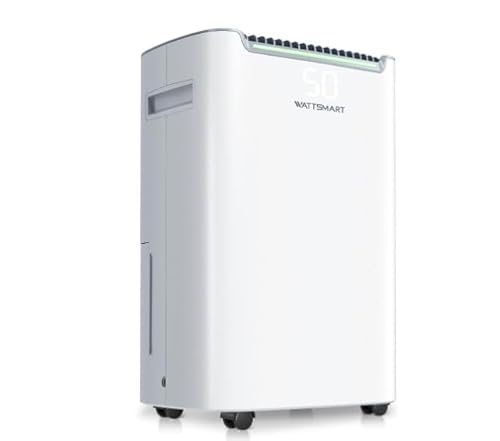
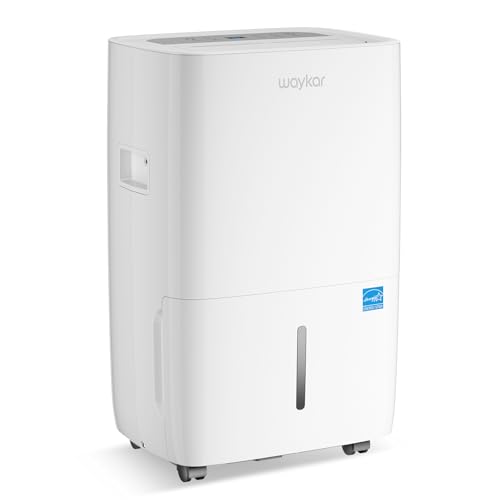
Dehumidifiers: A 30‑pint unit for a 1,000‑sq‑ft basement costs $150‑$250; larger 70‑pint models run $250‑$400. Look for Energy Star rating, auto‑defrost, and a built‑in hygrometer.
Interior sealants and waterproof paints: One‑gallon water‑based masonry sealers cost $30‑$55 and cover roughly 200‑300 sq ft. Two coats are usually recommended, so budget $60‑$110 for a typical 800‑sq‑ft wall area.
Vapor barriers: 6‑mil polyethylene sheeting rolls (10 ft × 100 ft) are $30‑$45. Installation requires tape and fasteners, adding $10‑$20.
Interior drainage kits (perimeter channel + sump basin): Pre‑fabricated kits run $300‑$600. Adding a 1/3‑hp submersible sump pump ($120‑$180) and discharge piping ($30‑$60) brings the total to roughly $450‑$840.
Ventilation upgrades: Bath‑fan style exhaust fans (50‑80 CFM) cost $40‑$80 each; a dedicated inline fan with ducting can be $120‑$200. Wiring and a timer switch add $30‑$60.
Professional Services and Typical Price Ranges
Exterior waterproofing (excavation, membrane, drainage board, backfill): $8,000‑$15,000 for a 1,200‑sq‑ft foundation, higher if deep excavation or shoring is needed.
Interior French drain system with sump pump (professional install): $4,500‑$9,000, depending on linear footage and whether a battery‑backup pump is included.
Foundation crack injection (epoxy or polyurethane): $300‑$800 per crack, plus $150‑$300 for surface preparation.
Mold remediation (containment, HEPA filtration, removal, post‑remediation verification): $2,000‑$6,000 for a 500‑sq‑ft area; larger or hidden growth can exceed $10,000.
Structural repairs (wall anchors, carbon‑fiber straps, underpinning): $5,000‑$25,000+ depending on severity and engineering requirements.
Decision Framework: When DIY Makes Sense
If the moisture source is condensation, minor surface dampness, or a single small crack that you can safely access, DIY materials often keep the project under $1,000 and can be completed in a weekend.
When water is actively entering through the floor‑wall joint, multiple cracks, or a high water table, the risk of incomplete repair rises sharply. In those cases, a professional assessment (often $150‑$300 for an inspection) can prevent costly re‑work.
Consider your skill level, tool inventory, and the time you can allocate. Renting a concrete saw or a mini‑excavator adds $150‑$300 per day and may erase the savings of a DIY approach.
Budgeting for Hidden Costs and Long‑Term Maintenance
Permits: Many municipalities require a permit for exterior excavation or interior drainage work; fees range from $50‑$300.
Electrical upgrades: Adding a dedicated circuit for a sump pump or dehumidifier may need an electrician ($150‑$400).
Landscaping restoration: After exterior waterproofing, re‑grading, sod, or pavers can add $1,000‑$3,000.
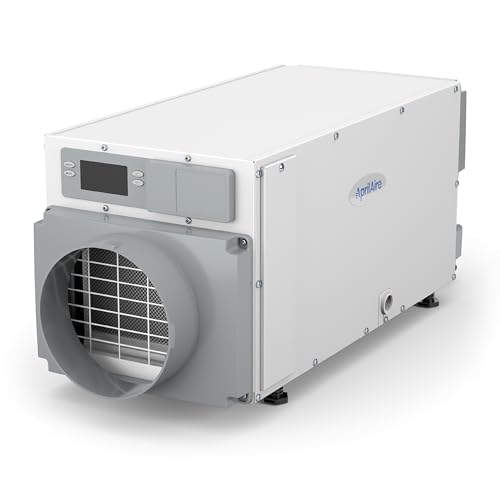
Ongoing operating costs: A 70‑pint dehumidifier running 12 hours/day uses ~7 kWh/day, roughly $25‑$35 per month depending on local rates. Sump pumps draw minimal power but battery backups need replacement every 3‑5 years ($80‑$150). Putting those running costs on the same footing as the upfront ones is the method described in how to compare basement moisture costs across different approaches.
FAQ
How do I know if my basement moisture problem is just condensation?
Condensation appears as water droplets on cold surfaces (walls, pipes) during humid months and disappears when the space is heated or dehumidified. If you see standing water, efflorescence, or water stains that persist regardless of indoor humidity, the source is likely liquid water intrusion.
Can I install a sump pump myself?
A handy homeowner with basic plumbing and electrical skills can install a pre‑fabricated interior drainage kit and a 1/3‑hp pump in a day. You must ensure the discharge line slopes away from the foundation and that the pump is on a GFCI‑protected circuit.
What should I ask a waterproofing contractor before hiring?
Request a written scope that includes excavation depth, membrane type, drainage board, backfill material, warranty terms, and a line‑item cost breakdown. Verify licensing, insurance, and references from similar projects in your area.
Is mold remediation always required after water intrusion?
Not always. If the area was dried within 24‑48 hours and no visible growth appears, cleaning with detergent and thorough drying may suffice [1]. Persistent dampness, musty odor, or visible colonies warrant a professional assessment.
This guide provides general cost ranges and decision guidance; it does not replace a site‑specific evaluation. If you observe active water entry, structural cracking, or mold covering more than 10 sq ft, contact a licensed waterproofing contractor or certified mold remediation specialist for a professional inspection and remediation plan.
References
- Mold Course Chapter 2: Why and Where Mold Grows. U.S. Environmental Protection Agency
These statements have not been evaluated by the Food and Drug Administration. This information is not intended to diagnose, treat, cure, or prevent any disease. Content is for informational purposes only and is not medical advice; consult a qualified healthcare provider before starting any supplement. As an Amazon Associate we earn from qualifying purchases.