Basement moisture problems often start small — a damp spot on the wall, a musty smell, or a slight rise in humidity — but they can quickly become a source of mold-precursor growth and structural damage if left unchecked. This guide walks you through a practical, low-cost assessment and mitigation process that most homeowners can tackle with basic tools.
The steps below focus on controlling water entry, improving airflow, and reducing indoor humidity to levels that discourage mold development. They are not a substitute for professional testing or remediation when contamination is extensive, but they give you a solid first line of defense.
- Control water at the source: clean gutters, extend downspouts, and grade soil away from the foundation.
- Maintain indoor humidity below 60% RH with a properly sized dehumidifier and continuous ventilation.
- Seal interior cracks with hydraulic cement or polyurethane before applying any vapor barrier.
- Schedule regular checks — humidity logs, filter changes, sump-pump tests — to catch issues before they escalate.
Assess the Situation
Begin by walking the perimeter of your basement after a rain event. Look for standing water, wet stains on foundation walls, efflorescence (white powdery deposits), and any visible mold growth. Note the locations with a sketch or photos; this record helps you prioritize repairs and track progress.
Measure relative humidity with a calibrated hygrometer placed at breathing height (about 4-5 ft off the floor) for at least 24 hours. Target a steady reading below 60% RH; sustained levels above 65% RH indicate a moisture source that needs addressing before any sealing work [1].
Exterior Water Management
Most basement moisture originates outside. Ensure gutters and downspouts are clean, properly sized, and discharge at least 6 ft away from the foundation. Extend downspout extensions or splash blocks if needed, and grade the soil so it slopes away from the house at a minimum of 5% for the first 10 ft.
Inspect the foundation for cracks wider than 1/8 inch. Small hairline cracks can be sealed later from the inside, but larger openings often require exterior excavation and a waterproof coating or membrane. If you see water pooling against the wall, consider installing a French drain or a surface swale to redirect runoff.
Interior Airflow and Dehumidification
Good air movement prevents stagnant, humid pockets. Open basement windows on opposite sides for cross-ventilation when outdoor humidity is lower than indoor levels. Install a low-noise, continuous-run exhaust fan (rated for at least 50 CFM) in a wall or ceiling to pull moist air out.
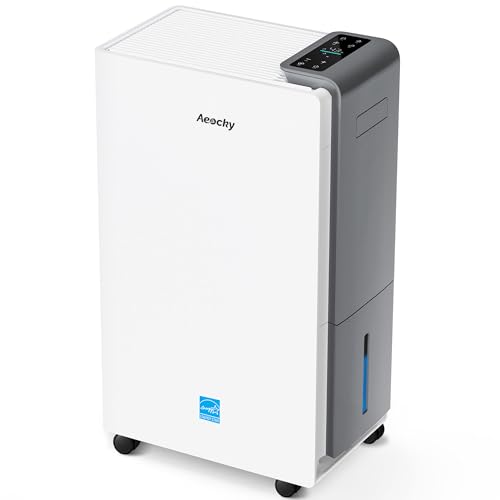
A properly sized dehumidifier is the backbone of humidity control. Choose a unit with a built-in humidistat, auto-restart after power loss, and a capacity matched to the room’s condition rather than its floor area: EPA’s ENERGY STAR guidance puts a slightly to moderately damp basement under 2,000 sq ft at 20–30 pints per day on the current post-2019 rating scale[2]. Empty the collection bucket daily or connect a condensate pump to a floor drain for unattended operation.
Seal Cracks and Apply Vapor Barriers
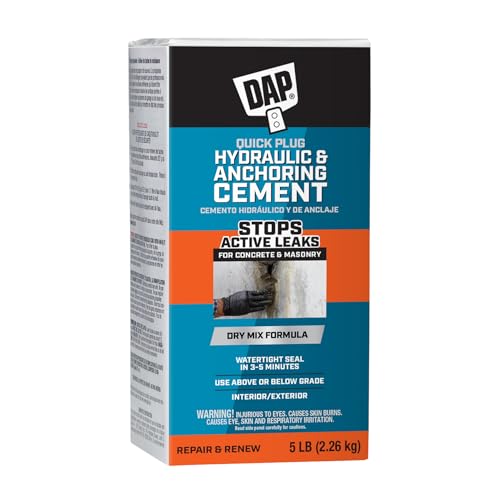
After exterior water is managed, address interior cracks. Clean the crack with a wire brush, vacuum debris, then fill with a hydraulic cement or a polyurethane injection kit designed for below-grade use. Follow the manufacturer’s cure time before applying any coating.
If the basement has an exposed concrete floor or walls, consider a vapor-retarder membrane (minimum 6 mil polyethylene) overlapped and taped at seams. For finished spaces, a breathable, mold-resistant interior paint with a perm rating below 1 can add an extra moisture barrier without trapping vapor.
Ongoing Monitoring and Maintenance
Set a quarterly reminder to re-check humidity, inspect gutters, and verify that dehumidifier filters are clean. A simple log (date, RH reading, any new stains) creates a trend line that catches problems early. Readers who want the underlying definitions first should start with a homeowner’s guide to basement moisture, humidity, and mold-precursor control.
Replace dehumidifier filters per the manufacturer’s schedule, clean exhaust fan grilles, and test sump pump operation (if present) by pouring a bucket of water into the pit. Consistent upkeep keeps the mitigation system effective and reduces the chance of costly remediation later.

FAQ
How do I know if my basement humidity is too high?
Use a calibrated hygrometer and record readings for at least 24 hours; sustained levels above 60% RH indicate a moisture problem that should be addressed before sealing or finishing the space.
Can I use a regular household dehumidifier for a large basement?
Usually yes. On the current rating scale EPA puts a slightly to moderately damp space under 2,000 sq ft at 20–30 pints per day, rising to 25–40 pints when the space consistently feels damp and 30–50 pints only where walls or floors sweat or seepage is present[2].
Below 2,000 sq ft the moisture load matters more than the floor area, so measure relative humidity rather than assuming a larger machine is required. EPA notes that where you are unsure it is better to oversize than to undersize[2].
When should I call a professional for basement moisture?
If you find active mold growth covering more than 10 sq ft, structural cracks wider than 1/4 inch, or persistent water intrusion despite exterior grading and gutter work, a licensed waterproofing contractor or mold remediation specialist should evaluate the situation.
Do vapor barriers trap moisture and cause problems?
A correctly installed low-perm vapor retarder on the warm side of the assembly reduces vapor drive; however, installing a barrier on the cold side or sealing an already damp wall can trap moisture. Follow manufacturer guidelines and ensure the substrate is dry before application.
This guide provides general DIY steps and is not a substitute for professional assessment; if you encounter extensive mold, structural damage, or persistent water entry, contact a licensed waterproofing or mold remediation professional for testing and remediation.
References
- A Brief Guide to Mold, Moisture and Your Home. U.S. Environmental Protection Agency
- Dehumidifiers — Buying Guidance (recommended capacity by condition and room size). ENERGY STAR, U.S. Environmental Protection Agency
These statements have not been evaluated by the Food and Drug Administration. This information is not intended to diagnose, treat, cure, or prevent any disease. Content is for informational purposes only and is not medical advice; consult a qualified healthcare provider before starting any supplement. As an Amazon Associate we earn from qualifying purchases.