Neighborhood-level basement moisture risk relates to local topography, soil composition, and shared drainage infrastructure.
- Low-lying areas or properties at the bottom of a slope may face elevated risk from natural water flow patterns.
- Neighborhoods with clay soil generally show elevated risk given slower drainage.
- Older neighborhoods with aging municipal drainage may show elevated collective risk during heavy rainfall.
- Understanding your neighborhood’s topography and drainage helps calibrate your specific risk level.
Topography and Water Flow Patterns
Homes in low-lying areas or at the bottom of a slope may face elevated risk given natural water flow patterns directing runoff toward these properties.
Neighborhood Soil Composition
Neighborhoods with predominantly clay soil generally show elevated risk given slower drainage and increased hydrostatic pressure after rainfall.
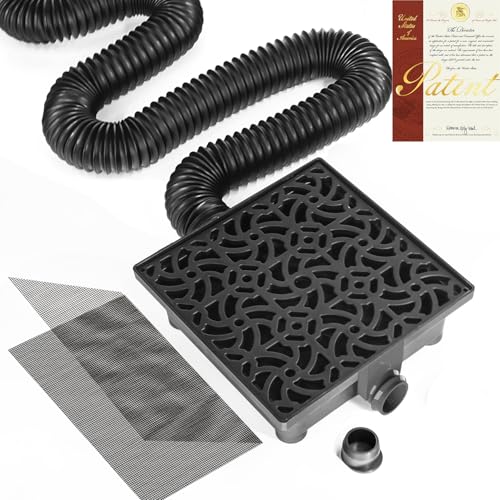
Shared Drainage Infrastructure
Older neighborhoods with aging or undersized municipal stormwater drainage may show elevated collective risk during heavy rainfall events compared to newer developments with modern drainage design.

Reading the Signals on Your Own Street
Neighbourhood risk is easier to assess than it sounds, because your neighbours have already run the experiment. Visible sump discharge lines, exterior drainage work, regraded yards and recently replaced basement flooring are all evidence of what the local water table and soil do during a wet year. A short walk after heavy rain is often more informative than any map, because it shows you where water actually pools and how long it takes to drain away.
Local knowledge is worth collecting deliberately rather than incidentally. Neighbours who have lived through several wet seasons can tell you which storms caused problems and what they had to do about it. Where a street has a shared history of basement water, that history usually points at a shared cause such as topography or an ageing storm drain rather than at any one property’s maintenance.
Where Neighbourhood Patterns Stop Being Useful
Broad patterns describe the pressure your property is under, not the outcome. Two houses side by side on the same clay soil can behave completely differently if one has clean gutters discharging well away from the wall and the other has a downspout emptying beside the foundation. Grading, gutter condition and the state of the foundation itself are all property specific and all sit between the neighbourhood risk and your basement.
That cuts both ways. A low risk neighbourhood is not a reason to skip monitoring, because plumbing leaks and blocked gutters are indifferent to topography. A high risk one is not a verdict either, since the property level corrections are the same ones that work anywhere and are usually the cheapest part of the whole subject.
FAQ
Does it matter if my house is at the bottom of a hill?
Yes — properties at the bottom of a slope or in low-lying areas generally face elevated risk given natural water flow patterns directing runoff toward these locations.
Should I ask neighbours about their basements before buying a home?
It is a genuinely useful question and most people answer it readily. Ask about specific wet seasons rather than in general, since a basement that has never been tested by heavy rain tells you very little. Answers that cluster across several nearby homes usually point to a shared drainage or topography factor rather than to individual maintenance.
If my neighbourhood has clay soil, is a wet basement inevitable?
No. Clay drains slowly and can raise the pressure against a foundation after rainfall, but it does not determine the outcome on its own. Grading that moves surface water away, gutters that discharge well clear of the wall, and a foundation without open cracks all sit between the soil and your basement.
Neighborhood patterns are general guidance — your specific property’s grading and drainage also significantly affect your actual risk regardless of broader topography.
These statements have not been evaluated by the Food and Drug Administration. This information is not intended to diagnose, treat, cure, or prevent any disease. Content is for informational purposes only and is not medical advice; consult a qualified healthcare provider before starting any supplement. As an Amazon Associate we earn from qualifying purchases.
