An itemized breakdown helps you budget accurately for your chosen level of basement moisture management investment.
An itemized list is only as useful as your ability to tell which line applies to you. The three tiers below are not a sequence everyone climbs. They correspond to three genuinely different situations: managing humidity in a basement that does not take on liquid water, managing water that arrives and needs removing, and stopping water from arriving at all.
Reading it that way prevents the two common budgeting errors, which are buying the comprehensive tier for a condensation problem and buying the basic tier for an active intrusion problem. What follows is each tier, what actually drives position within its range, and how to tell which one your basement belongs in.
- Basic monitoring and dehumidification: roughly $160-$330.
- Complete sump pump system with backup: roughly $600-$1,500.
- Interior drainage: $2,000-$8,000; exterior waterproofing: $8,000-$20,000+.
- This is one of the wider cost ranges on this network, reflecting the range of possible scope from basic monitoring to major structural work.
Basic Monitoring and Humidity Control
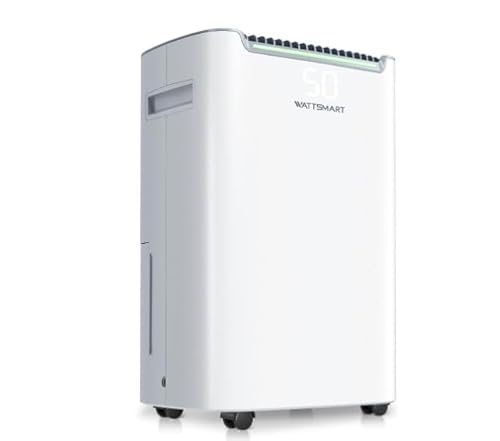
Hygrometer: $10-$30; dehumidifier: $150-$300; total: roughly $160-$330 as a starting investment.
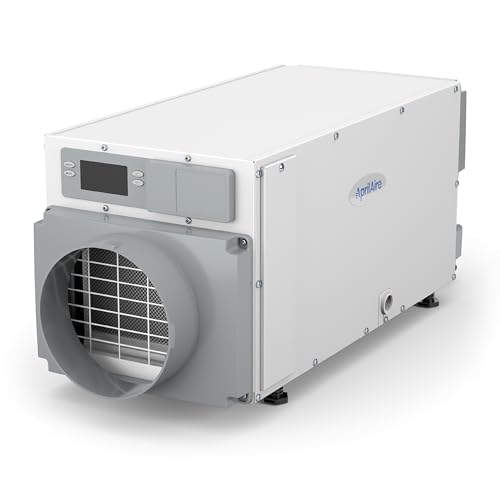
This tier addresses air rather than water. It fits a basement that stays dry underfoot but reads humid, smells musty in summer, or shows condensation on cool surfaces. Position within the range is driven mostly by dehumidifier capacity and by whether you want continuous drainage. A unit sized for the space and plumbed to a floor drain or fitted with a condensate pump runs unattended, while a smaller unit relying on manual emptying costs less and gets neglected, which is the most common reason this tier fails to deliver.
Two things are worth knowing before buying. Dehumidifier capacity ratings changed with a revision to federal test procedures several years ago, so a unit’s stated pint rating is not directly comparable to an older unit’s number, and a like-for-like replacement can be undersized without appearing to be. Basement performance at cooler temperatures also varies by design, which matters in an unconditioned space. The hygrometer at the low end of this tier is the item that earns its cost first, since it tells you whether the rest of the tier is working.
Sump Pump System
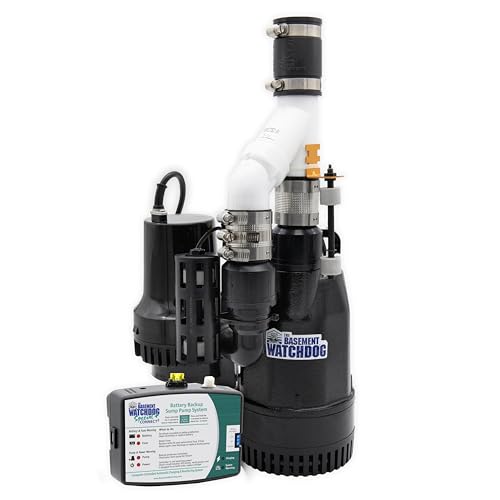
Sump pump: $150-$400; battery backup: $150-$400; professional installation: $300-$700; total: roughly $600-$1,500 for a complete system.
This tier manages water that has already reached the basement, collecting it at a low point and moving it out. Position within the range comes down to a few decisions. Submersible pumps generally cost more than pedestal designs and run quieter. Whether a pit already exists is a substantial factor, since cutting a new one into an existing slab is meaningfully different work from dropping a pump into a pit that is already there. Discharge routing matters too, because the line has to release water far enough from the foundation that it does not simply return.
The battery backup line deserves specific attention rather than being treated as optional polish. The failure mode it addresses is the common one: a severe storm raises the water table and knocks out power simultaneously, so the pump stops precisely when it is needed most. A backup system is also a maintenance item rather than a purchase, since batteries have a finite service life and a backup with a dead battery provides nothing. Installation at the upper end of its range typically reflects electrical work, a new pit, or a longer discharge run rather than a more expensive pump.
Comprehensive Waterproofing
Interior drainage system: $2,000-$8,000; exterior waterproofing with excavation: $8,000-$20,000+ depending on foundation perimeter and severity.
This tier stops water rather than managing it, and the wide spread between the interior and exterior figures reflects two genuinely different approaches. Interior drainage intercepts water at the perimeter where the slab meets the wall and routes it to a sump, which means working inside the finished space and demolishing the lower portion of any finished walls along the affected runs. Exterior work excavates to the footing and treats the foundation from outside, which addresses water before it reaches the wall.
What drives position within each range is mostly linear footage and access. A full perimeter costs more than a single problem wall. On the exterior side, access dominates: decks, patios, mature landscaping, utility lines, and tight lot lines can each turn a straightforward excavation into a complicated one, which is where the upper end of that range comes from. Restoration of finished space is generally not included in either figure, so a finished basement carries a cost the quoted number does not show.
Choosing Which Tier You Are Actually In
There is a simple diagnostic that separates the first tier from the others. Tape a square of clear plastic sheeting tightly to a bare foundation wall, sealed on all four edges, and leave it for a couple of days. Moisture on the room side of the plastic points to condensation from humid air, which is a first-tier problem. Moisture on the wall side points to water moving through the masonry, which is not.
The signals that indicate the third tier are different in kind: standing water after rain, water entering at the slab-to-wall joint, efflorescence appearing repeatedly after cleaning, or a sump pump that runs continuously through wet periods rather than cycling. Those describe water arriving under pressure, and the first tier will not change them no matter how large the dehumidifier.
Before committing to the third tier, price the cheap exterior work first. Extending downspouts well away from the foundation, clearing gutters, and correcting grade so that soil slopes away from the house, roughly six inches of fall over the first ten feet, are the standard opening moves precisely because they are inexpensive relative to any of these tiers and because they sometimes resolve the problem outright. A contractor who recommends interior drainage without first asking about gutters and grade is worth a second opinion.
FAQ
What’s a realistic budget if I just want basic prevention, not full waterproofing?
Roughly $160-$330 for basic monitoring and dehumidification covers general humidity management if you don’t have an active water intrusion issue requiring structural repair.
Do I need all three tiers?No. They address different problems, and most homes need one. A basement that is dry underfoot but humid needs the first tier only. A basement that takes on water needs the second or third depending on whether you are managing water or preventing it, and the two are often installed together since interior drainage systems typically discharge to a sump. Spending on the comprehensive tier when the actual issue is summer condensation is the most expensive version of this mistake, and the plastic sheet test above costs nothing and usually prevents it.
Why do quotes for the same work vary so much between contractors?Because they are often not quoting the same work, even when the headline description matches. Linear footage covered, whether the system is full-perimeter or partial, the specific drainage components used, whether a new sump pit is included, whether a battery backup is included, warranty terms, and whether demolition and restoration are inside or outside the price all move the number substantially. The way to make quotes comparable is to require each one to state those items explicitly in writing rather than comparing bottom lines [1]. A quote that is materially below the others usually differs in scope rather than in efficiency, and the difference is worth finding before signing.
Adjust this itemized breakdown significantly based on whether you’re addressing basic humidity management or an active water intrusion issue.
References
- How To Avoid a Home Improvement Scam. U.S. Federal Trade Commission
These statements have not been evaluated by the Food and Drug Administration. This information is not intended to diagnose, treat, cure, or prevent any disease. Content is for informational purposes only and is not medical advice; consult a qualified healthcare provider before starting any supplement. As an Amazon Associate we earn from qualifying purchases.