Beyond the obvious equipment and waterproofing costs, a few less obvious costs are worth factoring into your budget.
The reason these costs get described as hidden is not that anyone conceals them. It is that a waterproofing quote is scoped to waterproofing. It prices the system that stops water from entering. It generally does not price repairing what the water already damaged, restoring what has to be demolished to install the system, or the work that turns out to be necessary once a wall is opened up.
That gap between the quoted number and the finished number is where most budget surprises live. The categories below are the ones that most often turn a planned project into a larger one, along with the point in the process at which each usually surfaces.
- Mold remediation, if growth has occurred, is a separate cost from the underlying moisture fix.
- Structural repair for wood rot or foundation damage is a separate cost beyond waterproofing itself.
- Finished basement restoration after remediation access is an additional cost to factor in.
- These less-obvious costs can significantly increase total project cost beyond the base waterproofing quote.
Mold Remediation if Growth Has Occurred
If moisture has already led to mold growth, remediation is a separate, potentially significant cost beyond the underlying moisture fix itself, ranging from a few hundred to several thousand dollars depending on extent.
Remediation gets scoped by affected area and by how porous the affected materials are, not by how alarming the growth looks. Non-porous surfaces such as concrete and sealed masonry can generally be cleaned. Porous materials that have supported growth, particularly paper-faced drywall, carpet pad, and fibrous insulation, are usually removed rather than treated, because cleaning the visible face does not address what has grown into the material.
Widely referenced federal guidance draws a rough line at about ten square feet of contiguous growth for deciding whether a homeowner can reasonably handle cleanup or whether professional remediation is more appropriate. That threshold is a starting point rather than a rule, and it shifts if the affected material sits inside a wall cavity, if the water involved was contaminated, or if anyone in the household has a respiratory condition. Containment, negative air, and disposal are what separate a remediation price from a cleaning price.
Structural Repair Contingency
If water intrusion has caused structural wood rot or foundation damage, repair of this damage is a separate cost from the waterproofing fix itself.
Long-term moisture damages wood by decay rather than by simple wetting, and decay progresses quietly. The components most often affected in a basement are the sill plate sitting on top of the foundation wall, the rim joist above it, and the bottoms of any framing in contact with a slab. None of these are visible in a finished basement and several are partly hidden even in an unfinished one.
The reason this belongs in a contingency line rather than a quote line is sequencing. It is frequently not discoverable until finishes come off or a section is opened, which is after the contract is signed. A reasonable approach is to ask before signing how change orders for concealed conditions get priced and approved, so that a discovery mid-project becomes a known process rather than a negotiation conducted under time pressure.
Finished Basement Restoration
If remediation requires removing finished basement materials (drywall, flooring) to access and repair the underlying issue, restoration of these finishes is an additional cost to factor in.
Interior drainage systems get installed at the perimeter, where the slab meets the wall, which is exactly where finished walls stand. Installation therefore generally requires removing the bottom portion of finished walls along the affected runs, along with baseboard, flooring at the edge, and anything built in against those walls. Most waterproofing contracts include that demolition, because they need it done, and exclude putting it back.
It is worth pricing the restoration separately and early, before choosing between interior and exterior approaches, because restoration cost is one of the real variables between them. It is also the moment to decide whether to rebuild in the same materials. Rebuilding the lower portion of a below-grade wall in materials that tolerate moisture better than paper-faced drywall does not cost meaningfully more at that stage, and it removes the food source that made the first failure expensive.
Costs That Appear Before Any Work Starts
Diagnosis can carry its own price. A general home inspection is broad and shallow by design. Identifying whether a specific basement is dealing with seepage under pressure, condensation, a plumbing source, or some combination often takes a targeted assessment, and some contractors credit that fee against the work while others do not. Asking which applies is a short conversation that prevents an awkward one later.
Permitting and inspection requirements vary by jurisdiction and are easy to leave out of a budget assembled from contractor quotes alone [1]. Excavation in particular can trigger utility locating, and any project that alters drainage, discharges water, or modifies structure may require a permit. Reputable contractors handle this, but whether the fees sit inside their number or get passed through is worth confirming in writing.
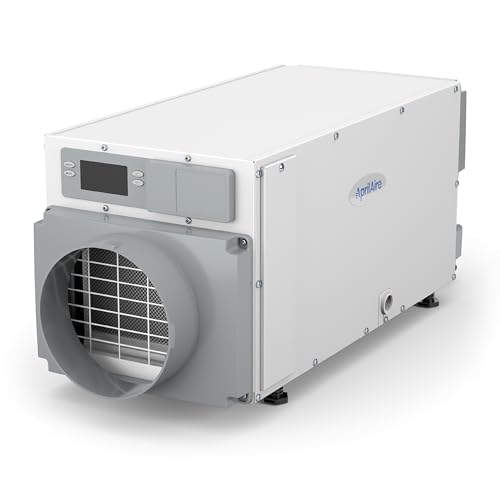
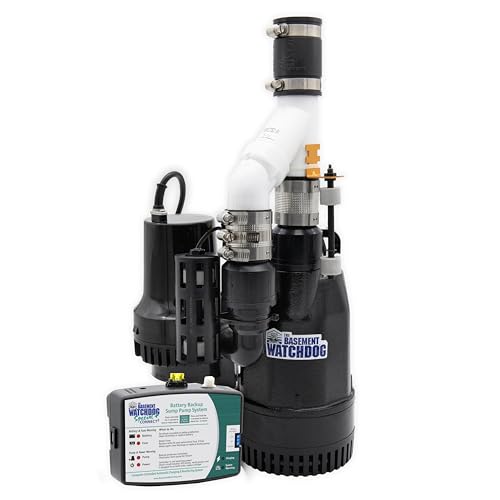
There is also a recurring cost that no quote contains, which is operating the system after it is installed. A dehumidifier running through a humid season and a sump pump cycling during wet periods both draw power continuously, and both have consumable or wearing parts. Treating the system as an ongoing line item rather than a one-time purchase produces a more honest comparison between a lower-cost approach that runs constantly and a higher-cost approach that runs rarely.
FAQ
What’s the most commonly overlooked cost with basement moisture remediation?
Finished basement restoration (drywall, flooring) after remediation work requires access is often overlooked when budgeting, since the waterproofing quote alone doesn’t include this.
How much contingency should I plan on top of a waterproofing quote?There is no single correct percentage, and any figure quoted as universal deserves suspicion. The more useful approach is to build the contingency from your own house rather than from an average: add a line for restoration if the affected walls are finished, a line for structural repair if the home is older or the moisture is long-standing, and a line for mold remediation if there is visible growth or a persistent musty odor. A basement that is unfinished, mostly dry, and recently built needs far less contingency than a finished forty-year-old basement with a history of intrusion.
Should I fix the moisture before or after finishing my basement?Before, in nearly every case. Finishing a basement over an unresolved moisture problem does not slow the problem down, it hides it, and it converts a cheaper repair into an expensive one by adding demolition and restoration to the eventual fix. It also introduces paper-faced drywall, carpet, and fibrous insulation, which are the specific materials that turn a moisture issue into a mold issue. If the budget only covers one of the two projects this year, the moisture work is the one that protects the value of the other.
Ask specifically whether your waterproofing quote includes finished material removal/restoration, mold remediation, or structural repair — these are often separate costs.
References
- Government home repair assistance programs. USAGov, U.S. General Services Administration
These statements have not been evaluated by the Food and Drug Administration. This information is not intended to diagnose, treat, cure, or prevent any disease. Content is for informational purposes only and is not medical advice; consult a qualified healthcare provider before starting any supplement. As an Amazon Associate we earn from qualifying purchases.