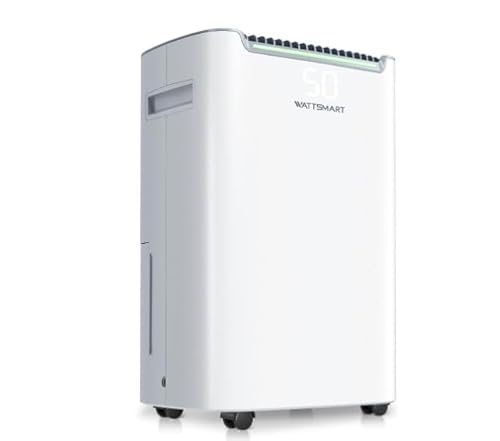
Understanding the difference between consumer equipment and professional waterproofing tools clarifies what’s appropriate for home purchase.
The consumer versus professional distinction here is not mainly about quality. It is about which problem each category of equipment exists to solve. Consumer equipment manages the air in a basement. Professional equipment manages the water outside it, and the ground it travels through.
Confusing the two produces the two classic spending mistakes: buying a bigger dehumidifier to solve a leak, or hiring an excavation crew to solve summer condensation.
- Consumer dehumidifiers and monitoring tools are designed and appropriate for home use.
- Professional waterproofing equipment (excavation tools, infrared cameras) is specialized and not for home purchase.
- Consumer equipment is sufficient for monitoring and humidity control; hire professionals for structural work.
- This distinction helps you allocate your budget appropriately between DIY and professional service.
Consumer-Grade Equipment
Consumer dehumidifiers, hygrometers, and basic moisture meters are designed for home use, addressing humidity monitoring and control — the appropriate purchase category for prevention.
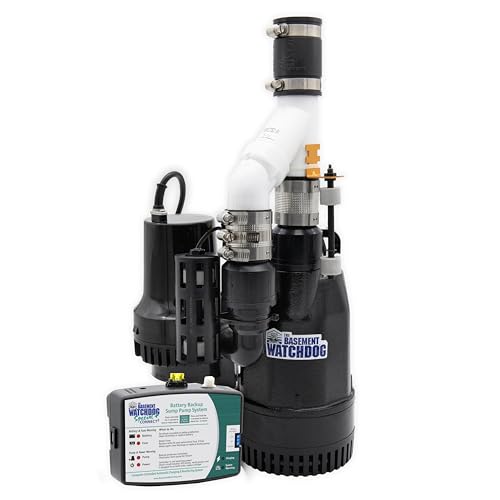
Consumer dehumidifiers, hygrometers, moisture meters and residential sump pumps are designed for continuous unattended operation in a home by an owner rather than an operator. That design goal drives everything about them: they are quiet enough to live with, safe on a standard household circuit, and simple enough to install without a trade license.
Within their scope they are genuinely capable. A correctly sized dehumidifier holds a basement at a stable humidity through a humid season, and a residential sump pump with battery backup handles the volume most homes ever see.
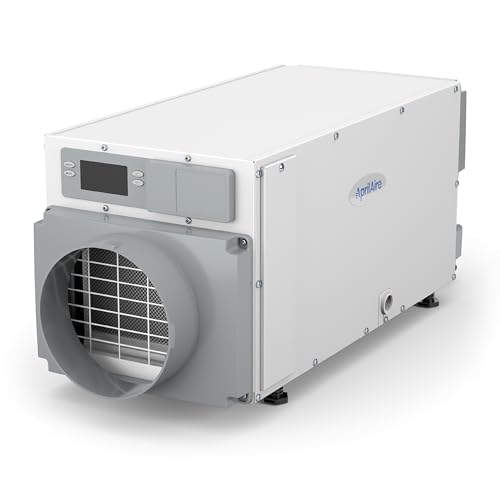
There is one real tier distinction worth knowing inside the consumer category, which is between portable units and whole-house or crawl-space rated units. The latter are built for permanently damp, corrosive environments and continuous duty, which is a different engineering problem than a portable unit run seasonally in a living space.
Professional-Grade Waterproofing Equipment
Excavation equipment, industrial-grade drainage installation tools, and professional infrared moisture cameras are specialized equipment used by waterproofing contractors, not appropriate for home purchase.
The contractor equipment list is dominated by things that move earth and things that see through walls: compact excavators, trenching equipment, concrete saws and core drills, and infrared or capacitance moisture imaging used to map where water is actually traveling.
The reason these are not homeowner purchases is not price alone. Operating excavation equipment near a foundation, near buried utilities and against a wall already under soil pressure[1] is a skill with genuine failure modes, and the failure modes involve the structure of your house.
The diagnostic equipment matters more than the digging equipment for your purposes. Thermal imaging showing where a wall is cold and wet behind the finish is how a competent contractor locates the actual entry path rather than guessing from where the stain appears, and stains routinely appear well away from where water enters.
Why Consumer Equipment Is the Right Choice for Homes
A consumer dehumidifier and hygrometer are the appropriate, sufficient tools for home monitoring and humidity control; structural waterproofing work is a service to hire, not equipment to purchase.
For the problems homeowners can actually solve themselves, which are humidity, monitoring, surface water and drainage at the downspout, consumer equipment is not a compromise. It is the correct tool.
For the problems homeowners cannot solve themselves, buying professional equipment would not help, because the equipment is the least transferable part of the expertise. What you are hiring is the diagnosis and the judgment about which of several approaches your specific foundation needs, and that does not come in the rental.
What You Are Actually Buying When You Hire a Contractor
The invoice reads like equipment and labor, but the part with lasting value is the diagnosis. Basement water symptoms are famously misleading: water appearing in one corner can originate from a downspout on the opposite side of the house, and treating the corner accomplishes nothing.
The second thing you are buying is the warranty, which is the contractor standing behind that diagnosis. A warranty is only as good as its terms, so read what it actually covers, whether it covers recurrence anywhere or only at the treated location, and what conditions void it.
The third is code compliance and permitting where the work requires it, which matters at resale. Undocumented structural work in a basement is a question mark for the next buyer’s inspector, and question marks get priced. How far that pricing actually goes is examined in does basement moisture management affect home resale value.
FAQ
Should I buy professional waterproofing equipment to do the work myself?
No — this specialized equipment (excavation tools, professional moisture cameras) isn’t practical for home purchase. Hire a qualified contractor for structural waterproofing work instead.
Can I rent excavation equipment and do exterior waterproofing myself?
It is a poor idea for reasons beyond skill. Excavating against a foundation removes the lateral support the soil provides, and doing that incorrectly can move or crack the wall you are trying to protect. Buried utility strikes are the other common failure. This is the clearest case for hiring the work.
Is a commercial-grade dehumidifier worth it for a home basement?
Sometimes. In a permanently damp basement or crawl space running year round, a unit rated for that duty and those conditions typically lasts far longer than a portable unit asked to do the same job. In a basement that is only humid seasonally, a good portable unit is usually sufficient.
Should I buy a thermal camera to find the leak myself?
Consumer thermal attachments can show temperature differences, but interpreting them is where the value sits. A cold spot may be a leak, missing insulation or simply a thermal bridge, and distinguishing those is what the training buys.
Don’t purchase professional excavation or waterproofing equipment for personal use — hire a qualified contractor for that specific need instead.
References
- 811 – Before You Dig (national call-before-you-dig service). Common Ground Alliance
These statements have not been evaluated by the Food and Drug Administration. This information is not intended to diagnose, treat, cure, or prevent any disease. Content is for informational purposes only and is not medical advice; consult a qualified healthcare provider before starting any supplement. As an Amazon Associate we earn from qualifying purchases.