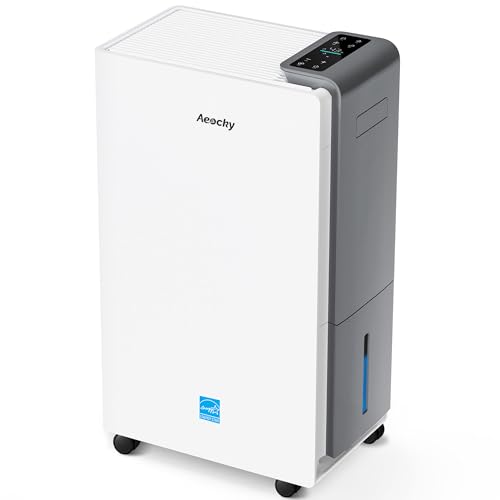
Basement moisture history and remediation carry more resale weight than for several other home hazards, given common buyer awareness.
Basement water is one of the few home problems that ordinary buyers know to look for without being told. They smell the basement, they look at the bottom of the walls, and they ask the question directly. That familiarity is what gives this issue more resale weight than problems requiring specialist knowledge to notice.
It also means the effect runs in both directions. Handled and documented, it is close to neutral or mildly positive. Visible and unexplained, it becomes the item the whole negotiation organizes itself around.
- Documented remediation can be a meaningful positive selling point given common buyer awareness of this issue.
- Undisclosed or unaddressed issues can meaningfully reduce buyer interest and negotiating position.
- Keep remediation documentation and warranty records to support buyer confidence.
- This carries more resale weight than several other hazards, given basement moisture’s common occurrence and disclosure relevance.
A Meaningful Resale Consideration
Given how commonly basement moisture affects buyer decisions and appears in disclosure forms, documented remediation (waterproofing, sump pump) can be a meaningful positive selling point.
What buyers are really pricing is uncertainty rather than moisture. A dry basement with a sump pump, a transferable warranty and an invoice reads as a solved problem. A dry basement with a fresh coat of paint on the lower walls and no explanation reads as a concealed one, and buyers assume the worse case when information is missing.
This is why remediation done well is often close to cost-neutral at sale rather than a loss. You are not adding a feature buyers pay a premium for, you are removing a discount they would otherwise apply.
The effect is strongest in regions where basement water is a known local issue, because buyers there are actively looking for it and their agents are prompting them to. In those markets the paperwork does more work than the finish.
Undisclosed or Unaddressed Issues Hurt Value
Conversely, visible staining, musty odors, or known unaddressed issues can meaningfully reduce buyer interest and negotiating position given this issue’s common awareness.
Disclosure requirements vary by state, but the practical calculation rarely favors staying quiet. Home inspectors check basements carefully, moisture meters are standard equipment, and efflorescence and staining are exactly what an inspector is trained to spot.
Discovery during inspection is the expensive path even when the underlying problem is small, because it arrives after the buyer is emotionally committed and turns into a renegotiation with you on the defensive. Buyers routinely ask for more than the repair costs at that point, and sellers under contract routinely agree.
Cosmetic covering is the worst option of the three. Fresh paint over stained block, a dehumidifier running during showings and a recently cleared floor read as staging to an experienced inspector, and suspicion of concealment damages trust across the entire transaction rather than just this line item.

Documentation Matters
Keep records of any remediation work (waterproofing, sump pump installation, warranty documents), which support buyer confidence and can justify asking price.
Assemble the paper file while the work is happening rather than reconstructing it years later. Useful items include the contractor’s scope of work, the invoice, the warranty document with its transfer terms[1], any engineer’s letter if one was involved, and permits where the work required them.
Photographs during the work are underrated. Buried drainage and exterior membrane are invisible once backfilled, and photos of the open trench are the only practical evidence that what you paid for is actually there.
Keep a simple record of what has happened since, too. A short log of dates when the basement was dry through heavy rain is informal but persuasive, because it demonstrates the fix under the conditions that matter.

Warranty Transferability Is the Detail People Miss
Many waterproofing warranties are transferable to a subsequent owner, and many are not. Some transfer once, some require a fee, and some require the transfer be registered within a window after closing. This is worth asking about before you sign the original contract, not when you list the house.
A transferable warranty is genuinely worth something at sale because it moves risk off the buyer. It converts a repaired problem into a covered one, which is a materially different thing to be buying.
If your warranty is not transferable, know that going in so you can present the work accurately. Overstating coverage during a sale creates a problem considerably worse than the moisture ever was. What must be stated rather than merely presented well is set out in basement moisture and home sale disclosure requirements.
FAQ
Will fixing my basement moisture issue actually help my home sell?
Yes, generally — documented remediation is a meaningful positive selling point given how commonly this issue affects buyer decisions, more so than for several other less commonly known home hazards.
Should I fix the basement before listing or offer a credit instead?
Fixing first generally recovers more, because a credit forces buyers to price unknown work themselves and they price it conservatively. The exception is if the fix would delay listing past a seasonal window that matters more in your market.
Does a sump pump make buyers assume the house has a water problem?
Some buyers read it that way, but in regions where basement water is common a sump pump is closer to expected equipment than a warning sign. The pairing that reassures is a pump plus documentation of why it was installed and what it resolved.
How long should I keep remediation records?
For as long as you own the house. Warranty periods on this work commonly run for many years or are tied to the structure, and the paperwork is the only thing that makes the coverage claimable by whoever owns the house next.
Keep documentation of any remediation work, since this supports buyer confidence and resale value more than for less commonly recognized hazards.
References
- Businessperson’s Guide to Federal Warranty Law (Magnuson-Moss Warranty Act; FTC Disclosure Rule, 16 C.F.R. Part 701). U.S. Federal Trade Commission
These statements have not been evaluated by the Food and Drug Administration. This information is not intended to diagnose, treat, cure, or prevent any disease. Content is for informational purposes only and is not medical advice; consult a qualified healthcare provider before starting any supplement. As an Amazon Associate we earn from qualifying purchases.