A structured comparison framework helps you decide how much to invest in basement moisture management relative to your specific situation.
Most basement moisture spending goes wrong in one of two directions. Either somebody buys a dehumidifier and calls it solved when water is actively entering through the wall, or somebody signs a five figure excavation contract for a basement that was humid rather than leaking. Both mistakes come from skipping the diagnosis step and jumping straight to a solution tier.
The framework below sorts spending by what your basement is actually doing, not by what you can afford. Read the tiers in order and stop at the first one that honestly describes your situation.
- Minimal monitoring suits basements with no known issues and low regional risk factors.
- Moderate investment (sump pump, grading/gutter fixes) suits occasional dampness or minor past issues.
- Comprehensive waterproofing suits documented chronic intrusion, high water table, or significant past flooding.
- This framework helps you decide the right investment level based on your specific situation’s actual risk factors.
Minimal Monitoring Approach
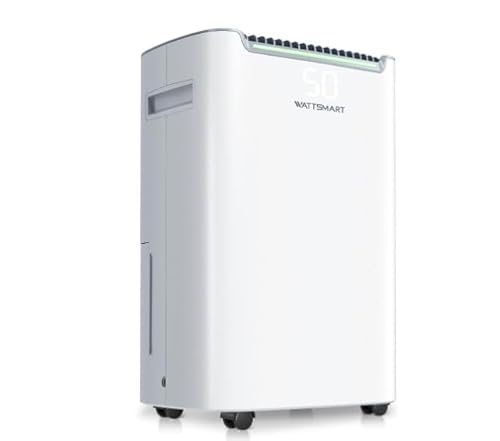
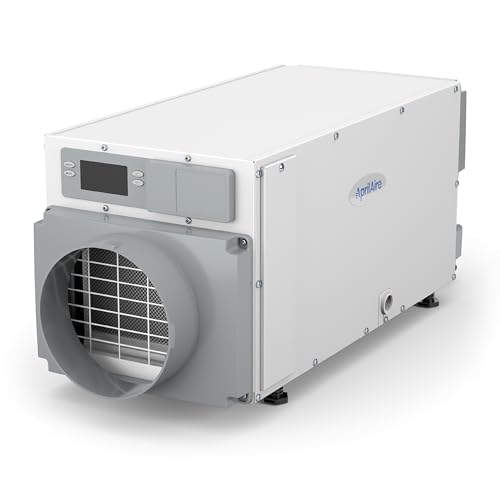
For basements with no known issues and low regional risk factors, basic hygrometer monitoring plus a dehumidifier represents the lowest-cost, baseline approach.
This tier fits a basement that is dry, has no staining, no musty smell and no known history of water entry. The goal is not remediation but early warning: you want to know if something changes before it becomes visible damage.
In practice that means a hygrometer left in place year round rather than checked once, because basement humidity is strongly seasonal and a single summer reading tells you very little about February[1]. A dehumidifier sized to the space handles the ambient humidity that any below-grade room accumulates.
The honest limitation of this tier is that it manages air, not water. It will keep a dry basement comfortable and it will keep stored belongings from going musty. It will do essentially nothing about hydrostatic pressure pushing water through a foundation wall.
Moderate Investment Approach
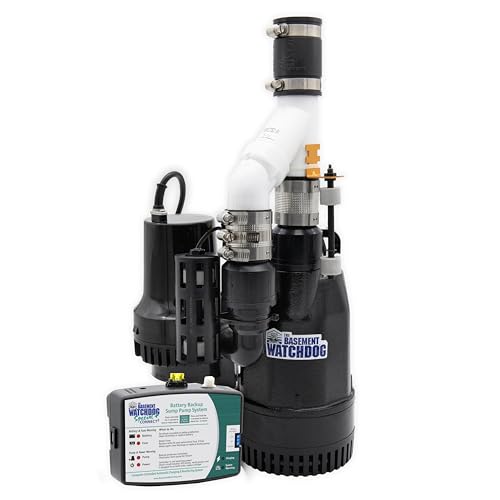
For basements with occasional dampness or minor past issues, adding a sump pump system and addressing exterior grading/gutters represents a reasonable moderate-investment approach.
This tier fits occasional dampness, a damp corner after heavy rain, or a minor issue that was addressed in the past and has not fully recurred. The defining feature is that water is arriving intermittently rather than chronically.
The highest value spending in this tier is usually the least glamorous. Extending downspouts well away from the foundation and correcting grading so the soil slopes away from the house solves a meaningful share of intermittent basement dampness, and it costs a fraction of anything involving a contract.
A sump pump belongs in this tier when there is an existing pit or when water reliably collects in one place. If you install one, plan for the failure mode rather than the normal case: the night a basement floods is frequently the night the power is out, which is what battery backup exists to address.
Comprehensive Investment Approach
For basements with documented chronic water intrusion, high water table location, or significant past flooding, comprehensive exterior waterproofing represents the appropriate, higher-cost approach.
This tier fits documented chronic intrusion, a high water table, or significant past flooding. The distinguishing question is whether water is entering under pressure on a predictable basis rather than occasionally seeping.
At this level you are choosing between broad approaches rather than products: interior perimeter drainage that manages water once it arrives, or exterior excavation and membrane work that tries to stop it arriving at all. They differ substantially in cost, in disruption and in what they actually promise, and a contractor who presents only one of them has not given you a comparison.
This is also the tier where warranty terms start to matter more than headline price. Ask what is warranted, for how long, whether the warranty transfers on sale, and what specifically voids it. A cheaper job with a narrow warranty can easily be the more expensive choice over a decade.
Diagnose Before You Choose a Tier
The framework only works if you place yourself honestly, and the common failure is optimism. Efflorescence, the chalky white mineral bloom on foundation walls, means water has moved through the masonry and evaporated, leaving dissolved minerals behind. That is evidence of water entry, not merely humidity, and it moves you out of the minimal tier regardless of how dry the floor looks.
A persistent musty smell with no visible water is worth taking seriously for the same reason. Something is staying wet long enough to support growth, and finding out what is a cheaper problem to solve than the damage that follows from not finding out.
Timing is the most useful diagnostic you can run yourself and it costs nothing. Note whether dampness follows rainfall within hours, appears seasonally as groundwater rises, or is present continuously. Rain-driven dampness points toward surface water and grading. Seasonal dampness points toward the water table. Continuous dampness with no weather correlation more often points to a plumbing or condensation source, which is a different repair entirely.
FAQ
How do I know which approach level applies to my situation?
Base this on your basement’s specific history (any past flooding, current dampness level) and regional risk factors (water table, soil type, rainfall) rather than defaulting to either extreme.
Can I move up a tier later instead of committing now?
Usually yes, and staging the work is often sensible. The exception is exterior excavation, where doing it after an interior system has been installed means paying twice for overlapping scope. If exterior work is genuinely likely, sequencing it first is worth considering.
My basement is only damp in summer. Which tier is that?
Summer-only dampness with no staining is frequently condensation rather than intrusion: warm humid air meeting cool foundation walls. That is minimal-tier territory and a dehumidifier addresses it directly. Confirm by checking whether the dampness appears on walls and pipes generally or in one specific spot.
Does a higher tier make the lower tiers unnecessary?
No. Even after comprehensive waterproofing, ongoing humidity monitoring stays worthwhile, because it is how you find out whether the expensive fix is still working. Monitoring is the one item that belongs at every tier.
Never choose the minimal approach if you have documented past flooding or active water intrusion — these situations warrant comprehensive, professional assessment regardless of cost.
References
- A Brief Guide to Mold, Moisture and Your Home. U.S. Environmental Protection Agency
These statements have not been evaluated by the Food and Drug Administration. This information is not intended to diagnose, treat, cure, or prevent any disease. Content is for informational purposes only and is not medical advice; consult a qualified healthcare provider before starting any supplement. As an Amazon Associate we earn from qualifying purchases.