Choosing the right moisture control tier depends on your basement’s specific risk level, finish status, and personal risk tolerance.
The choice between managing a basement yourself and paying for an installed system is usually decided by one question: is water entering the space, or is the air in it simply humid? Those are different problems with different price tags, and most of the confusion in this category comes from treating them as points on a single scale.
- Basic DIY equipment (dehumidifier, monitoring) suffices for basements without active intrusion and moderate humidity.
- Professional systems add value for active intrusion, high water table, finished basements, or documented flooding history.
- Base your decision on your specific situation’s risk factors.
- This tiered approach helps you invest appropriately without over- or under-investing relative to your actual risk.
When Basic DIY Equipment Suffices
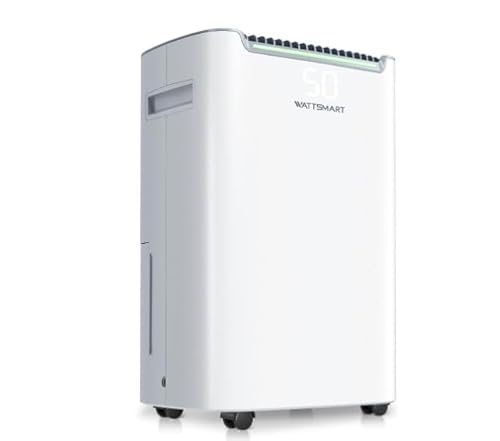
For basements with no active water intrusion and moderate humidity, a properly sized dehumidifier plus regular monitoring provides adequate, cost-effective management.
If the basement has never had standing water, shows no staining at the floor to wall joint, no efflorescence on the block, and simply sits above 60 percent relative humidity through the summer, this is an air problem [1]. A correctly sized dehumidifier, a hygrometer, and continuous drainage handle it well, and the total outlay lands somewhere between 200 and 400 dollars.
The same tier covers most of the useful preventive work, because that work is mostly manual rather than technical. Extending downspouts, restoring the grade around the perimeter, clearing gutters, and sealing a hairline crack with hydraulic cement are all genuinely homeowner-scale jobs, and they are the highest-return actions available at any budget. A contractor will do them competently and charge accordingly, but nothing about them requires one.
Where DIY works, it also has a monitoring advantage worth naming. You are in the space regularly, you know what it normally smells like, and you notice a change early. An installed system that nobody checks can fail as quietly as anything else.
When Professional Systems Add Real Value
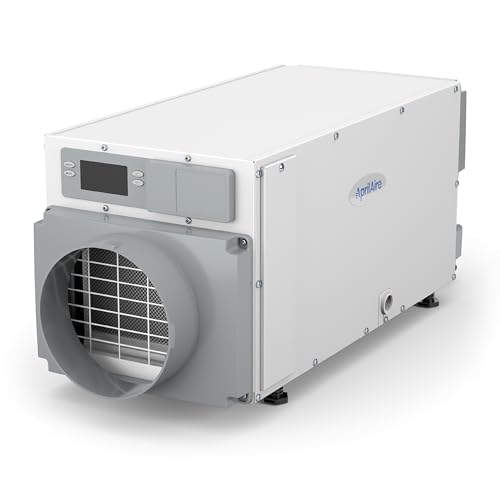
Active water intrusion, high water table areas, finished basements, or documented past flooding warrant professional waterproofing and sump pump systems given the higher stakes involved.
Four conditions move the decision. Active water intrusion, meaning visible water or wet walls after rain. A high water table, where the ground itself stays saturated. A finished basement, where the cost of a failure is measured in replacing materials rather than mopping. And any documented history of flooding at the address, which changes what a future buyer and an insurer will want to see.
What that money buys is generally an interior perimeter drain feeding a properly sized pit and pump, exterior excavation and membrane where the situation warrants it, and a warranty. Expectations vary widely by scope and region, but full interior systems commonly run into five figures, and it is reasonable to get more than one assessment before committing at that level.
The warranty is often the substantive part of the purchase rather than the hardware. Read what it actually covers, whether it transfers to a subsequent owner, and what maintenance it requires you to perform to stay valid, since a transferable warranty is worth real money at sale and a voided one is worth nothing.
Making Your Decision
Base your choice on your specific situation’s risk factors rather than defaulting to either extreme without considering your particular circumstances.
Diagnose before you price. Two weeks of hygrometer readings, a plastic sheet taped to the slab to distinguish vapor transmission from condensation, and a walk of the perimeter after heavy rain will usually tell you which category you are in, and all three are free. Buying either a large dehumidifier or a waterproofing quote before that step is buying a solution to an unidentified problem.
There is also a middle path that gets overlooked. Doing the drainage and grading work yourself, then hiring out only the specific task that needs equipment or expertise such as crack injection or a pump installation, frequently addresses the situation for a fraction of a full system. Contractors will quote what they install, so the question of whether a smaller intervention would do is one you generally have to raise yourself.
Where the Tiers Get Confused
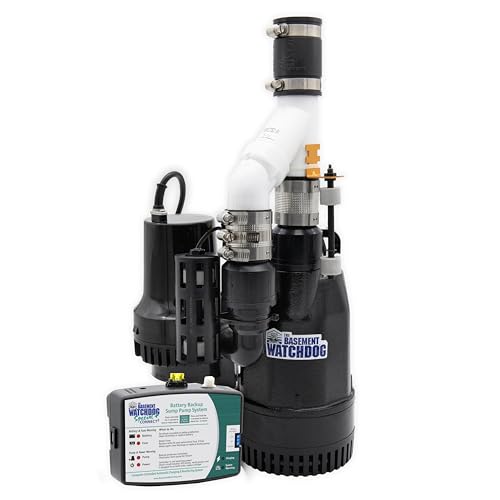
The most expensive mistake in this category is buying more dehumidification to answer an intrusion problem. A large machine will hold the room at a comfortable reading while water continues to move through the wall behind the finish, and the reading is exactly what makes the situation feel resolved. Any time humidity is being held only because a machine is running continuously, the question is what it is running against.
The mirror-image mistake is paying for a full interior system to solve what turned out to be summer condensation. A basement that is dry after rain but damp in August has an air problem, and an interior drain has nothing to remove. A contractor whose assessment does not distinguish between the two, or who quotes without asking when the dampness appears, has not diagnosed the space.
FAQ
Do I need a professional waterproofing system, or is a dehumidifier enough?
This depends on whether you have active water intrusion — a dehumidifier alone manages humidity but doesn’t fix an intrusion source, which requires professional assessment and repair if present.
Can a dehumidifier substitute for waterproofing?
No. It manages humidity in the air and does nothing about water entering through the foundation. Where there is active intrusion, it manages the symptom while the cause continues.
How do I know whether I actually have intrusion?
Look for staining at the floor to wall joint, white efflorescence on block or concrete, damp patches that appear within a day or two of heavy rain, and a musty smell that does not clear with ventilation. Dampness that tracks the weather points to intrusion. Dampness that tracks summer humidity points to condensation.
Is a transferable warranty worth paying more for?
Frequently, yes, if you might sell within its term. A documented, transferable waterproofing warranty answers a question buyers ask about any basement, and it is one of the few parts of this purchase that retains value beyond your own use of the house.
Never rely on DIY equipment alone if you have confirmed active water intrusion — this requires professional assessment and repair.
References
- A Brief Guide to Mold, Moisture and Your Home. U.S. Environmental Protection Agency
These statements have not been evaluated by the Food and Drug Administration. This information is not intended to diagnose, treat, cure, or prevent any disease. Content is for informational purposes only and is not medical advice; consult a qualified healthcare provider before starting any supplement. As an Amazon Associate we earn from qualifying purchases.