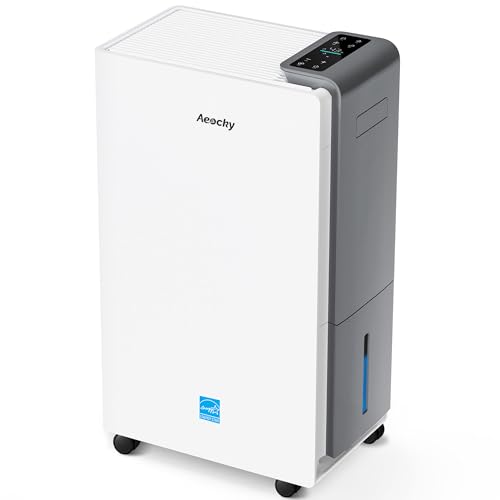
Basement moisture prevention work has a clear seasonal ideal window, tied to when water intrusion risk peaks.
Basement moisture is one of the few household problems with a genuinely predictable calendar. The water that gets in arrives with snowmelt and spring rain, the humidity that condenses arrives with summer, and the two need attention at different points in the year. Working with that cycle rather than reacting to it is most of the difference between maintenance and emergency repair.
- Early spring, before peak snowmelt/rainfall, is the ideal time for grading, gutter, and crack repair.
- This timing gets ahead of the conditions most likely to cause an actual water intrusion event.
- Dehumidifier use should continue through summer’s high-humidity months regardless of repair timing.
- This is a more pronounced seasonal pattern than for hazards without weather-driven risk cycles.
Spring: The Ideal Prevention Window
Early spring, before peak snowmelt/rainfall season fully arrives, is an ideal time to check and repair exterior grading, gutters, and any minor foundation cracks.
The window you want is the stretch after the ground has thawed enough to work but before the heaviest rain arrives, which in most of the country falls somewhere between late February and early April. Working the frozen ground earlier is unproductive, and waiting until May means doing the repairs while the conditions that expose them are already underway.
Four jobs belong in that window. Clear the gutters of the previous autumn’s leaves, since a gutter that overflows discharges directly along the wall line at exactly the wrong time. Check that downspouts still carry water four to six feet away from the foundation rather than dumping at the corner. Walk the perimeter looking for ground that has settled back toward the wall, which happens gradually as backfill compacts. And inspect the foundation for new cracks, staining, or the white powdery efflorescence that marks where water has been moving through the block.
Spring is also when the sump pump should be tested, because it is about to be asked to do a season’s work. Pour a bucket of water into the pit, confirm the float lifts and the pump starts, and confirm the water actually leaves through the discharge line rather than draining straight back. If the system has a battery backup, test that separately by unplugging the primary rather than assuming the two are tested together.
Why This Timing Matters
Addressing prevention items before the highest-risk season begins gets ahead of the conditions most likely to cause an actual water intrusion event.
The argument for working ahead of the season is that the failures are cumulative rather than instant. A crack that weeps slightly in March is passing water into the wall for the entire spring, and by the time it produces visible damage the material behind the finish has been wet for weeks. Mold growth on damp organic material can begin within roughly 24 to 48 hours, so the interval between a problem starting and a problem mattering is short [1].
There is also a straightforward cost argument. Grading and gutter work done deliberately in March is a weekend and the price of a downspout extension. The same problem addressed in May, after water has come in, involves drying equipment, removing wet material, and possibly a contractor working at the busiest point in their year. The work is the same. The circumstances are not.
Dehumidifier Use Continues Through Summer
While prevention repairs are ideally done in spring, dehumidifier use should continue through summer’s high-humidity months regardless of timing.
The summer half of the cycle is a different mechanism and needs a different response. Warm humid air entering a cool basement condenses on cold surfaces, so the moisture problem in July frequently has nothing to do with anything entering through the foundation. This is why the instinct to open the windows and air the space out makes it worse, since you are importing the moisture rather than removing it.
Run the dehumidifier from roughly May through September in most climates, targeting 45 to 50 percent relative humidity, and leave a hygrometer in the space so you know whether that target is actually being held. In autumn, as outside dew points fall, the machine will run less on its own. Empty the reservoir and store it dry, or leave it running at a higher setpoint if the basement is heated and holds humidity through the winter.

A Month by Month View
Late winter is inspection and planning: walk the foundation while it is dry, note what needs doing, and order parts before the season. Early spring is the repair window described above, plus the sump pump test. Late spring through summer is dehumidifier season, when the work is monitoring rather than repair, and the only recurring task is checking that drainage is continuous and the target humidity is being held.
Autumn is the second gutter clean, and it matters more than the spring one because it determines whether the system enters winter clear. In cold climates it is also the moment to confirm the downspout extensions are not going to be lifted by a plow or frozen into the ground, and to check that the sump discharge line will not freeze at the outlet, since a frozen discharge means the pump runs against a closed pipe during the first thaw.
FAQ
When should I check my grading and gutters for basement moisture prevention?
Early spring, before peak snowmelt and rainfall season, is the ideal time to address these prevention items ahead of the highest-risk period.
Is there any point doing this work in the middle of summer?
Yes, for anything already causing a problem. The seasonal window is about ordering preventive work efficiently, not about postponing a repair. An active leak or a failed pump is addressed the week you find it, whatever the month.
Should I run the dehumidifier through winter?
In an unheated basement, generally no, because cold air holds little moisture and most units struggle below their rated minimum temperature anyway. In a heated or finished basement, keep monitoring, since a warm space with poor air movement can still sit above 50 percent relative humidity in January [2].
When is the worst time to discover a problem?
During the spring thaw, when the ground is saturated, contractors are at their busiest, and the same weather is producing the same emergency for everyone in your area. That timing is the practical argument for the February inspection.
Don’t delay addressing a known issue until the ideal seasonal window — if something needs attention now, address it now.
References
- Mold Course Chapter 2: Why and Where Mold Grows. U.S. Environmental Protection Agency
- A Brief Guide to Mold, Moisture and Your Home. U.S. Environmental Protection Agency
These statements have not been evaluated by the Food and Drug Administration. This information is not intended to diagnose, treat, cure, or prevent any disease. Content is for informational purposes only and is not medical advice; consult a qualified healthcare provider before starting any supplement. As an Amazon Associate we earn from qualifying purchases.